
Last Updated on June 2, 2026 by
Health newsletters have emerged as one of the most effective ways to educate, inspire, and interact with audiences online. Whether you are a fitness coach, nutritionist, healthcare provider, wellness creator, or simply passionate about healthy living, starting a health newsletter can help you build a loyal audience while sharing valuable information.
Readers nowadays are continuously searching for quick, useful, and simple-to-understand health advice that is sent directly to their inboxes. Consumers seek out content that makes wellness easier, provides answers to frequently asked health-related issues, and enhances their everyday lives without overwhelming them.
In this guide, we will explore some of the best health newsletter examples and what makes them successful so you can find inspiration for your own newsletter.
What Makes a Great Health Newsletter?
Before exploring examples, it helps to understand what separates a great health newsletter from an average one.
Successful health newsletters usually have:
- Clear niche or focus
- Helpful and trustworthy information
- Easy-to-read formatting
- Consistent publishing schedule
- Engaging subject lines
- Actionable tips readers can apply
- Strong brand voice and personality
Some newsletters focus on medical research and healthcare updates, while others prioritize fitness motivation, nutrition, or mental wellbeing.
10 Health Newsletter Examples
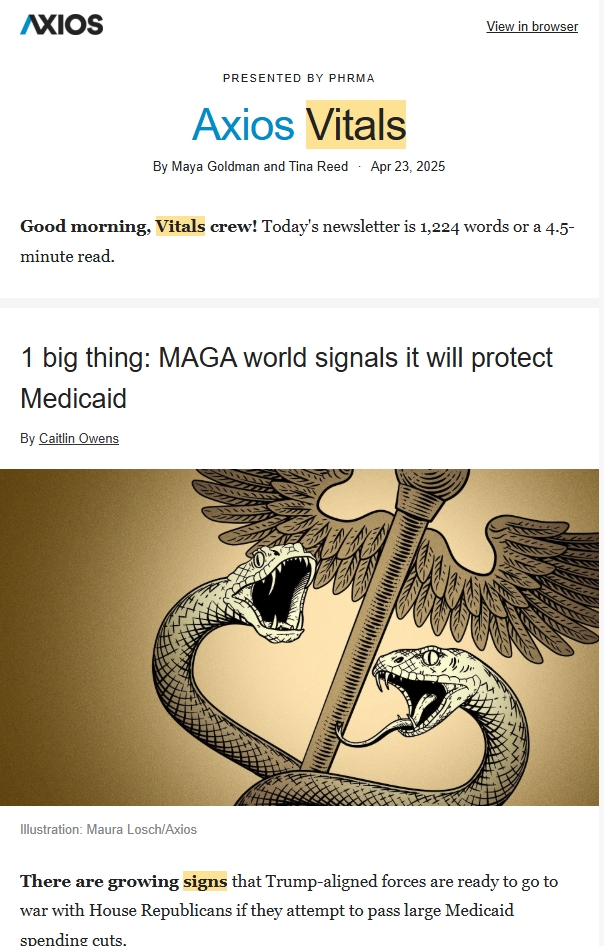
1. Axios Vitals
Axios Vitals is a healthcare-focused newsletter from Axios that delivers concise updates on healthcare policy, public health, insurance, pharmaceuticals, and biotech trends. The newsletter is designed for busy professionals and readers who want quick but informative summaries of major healthcare developments without reading lengthy reports.
Why Subscribe?
- Get quick summaries of the latest healthcare news and policy changes.
- Stay informed on biotech, pharmaceutical, and insurance industry trends.
- Enjoy easy-to-read healthcare reporting in a concise format.
2. Harvard Medical School
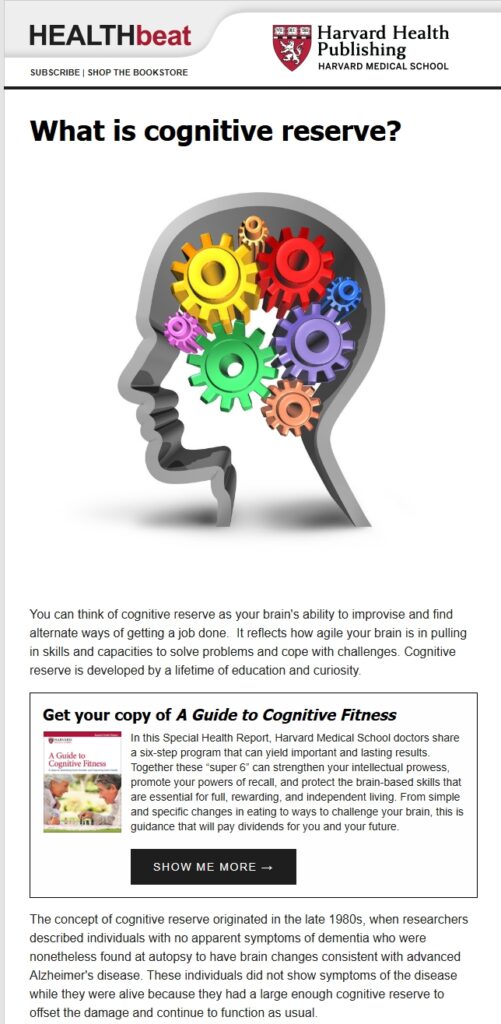
The newsletter from Harvard Medical School provides evidence-based health information, medical research findings, wellness advice, and preventive healthcare tips. It simplifies scientific studies into practical insights readers can apply in everyday life.
Why Subscribe?
- Access trusted, research-backed medical information.
- Learn preventive healthcare and healthy aging strategies.
- Stay updated on the latest health and wellness discoveries.
3. The Health Foundation
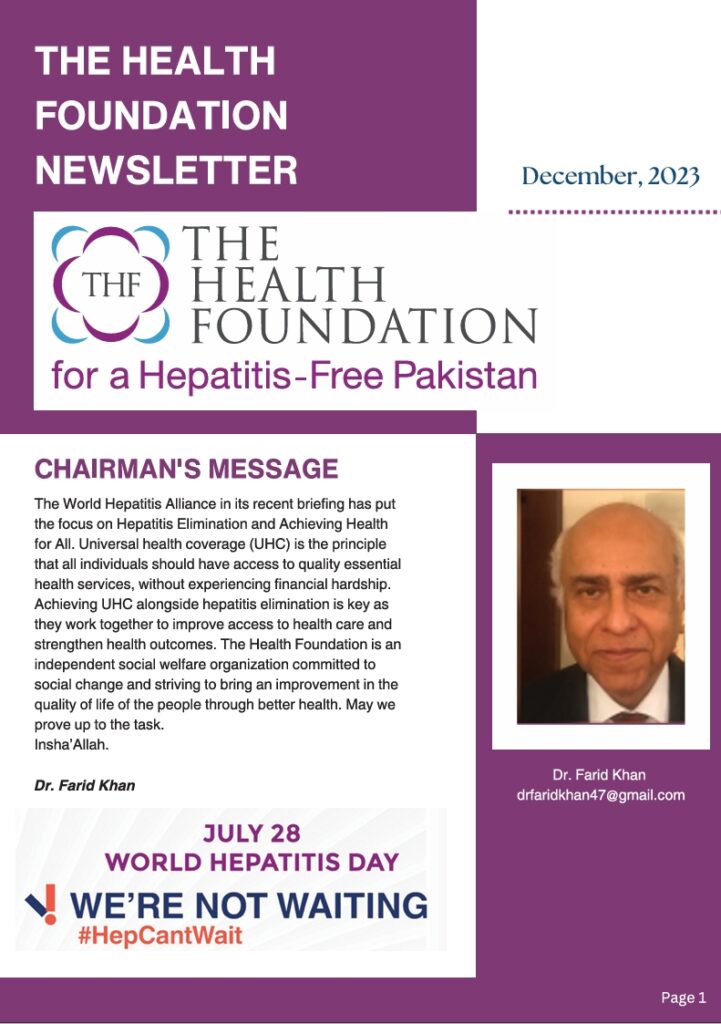
The Health Foundation publishes newsletters focused on healthcare improvement, public health policy, healthcare systems, and medical research. The newsletter explores ways to improve patient care and healthcare accessibility.
Why Subscribe?
- Understand major healthcare policy and system changes.
- Explore research on improving healthcare services.
- Gain insights into public health and community wellbeing.
4. Medical News Today
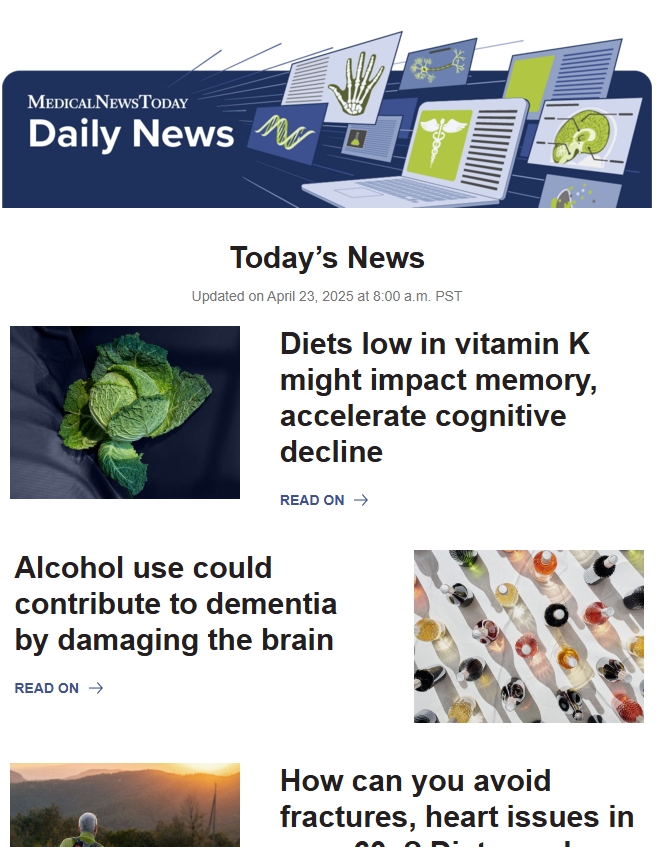
The Medical News Today newsletter delivers accessible medical news, health tips, wellness advice, and research updates for general readers. It covers a wide range of health topics in beginner-friendly language.
Why Subscribe?
- Receive easy-to-understand medical news and wellness tips.
- Learn about nutrition, mental health, and fitness trends.
- Stay informed on new medical studies and discoveries.
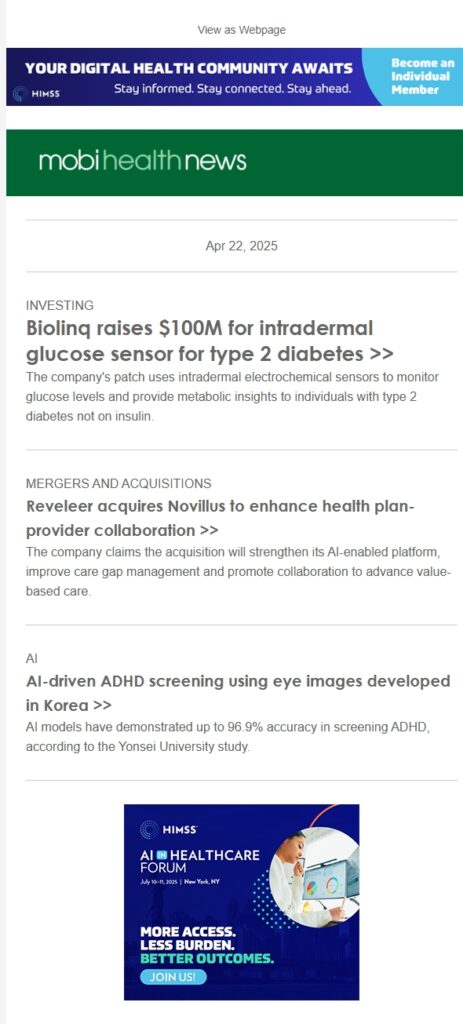
5. Mobihealth News
MobiHealthNews is a newsletter focused on digital healthcare innovation, telemedicine, healthcare startups, and medical technology trends. It highlights how technology is transforming the healthcare industry.
Why Subscribe?
- Stay updated on digital health innovations and healthcare technology.
- Learn about telemedicine, AI, and health tech startups.
- Understand emerging trends shaping the future of healthcare.
6. WebMD Daily
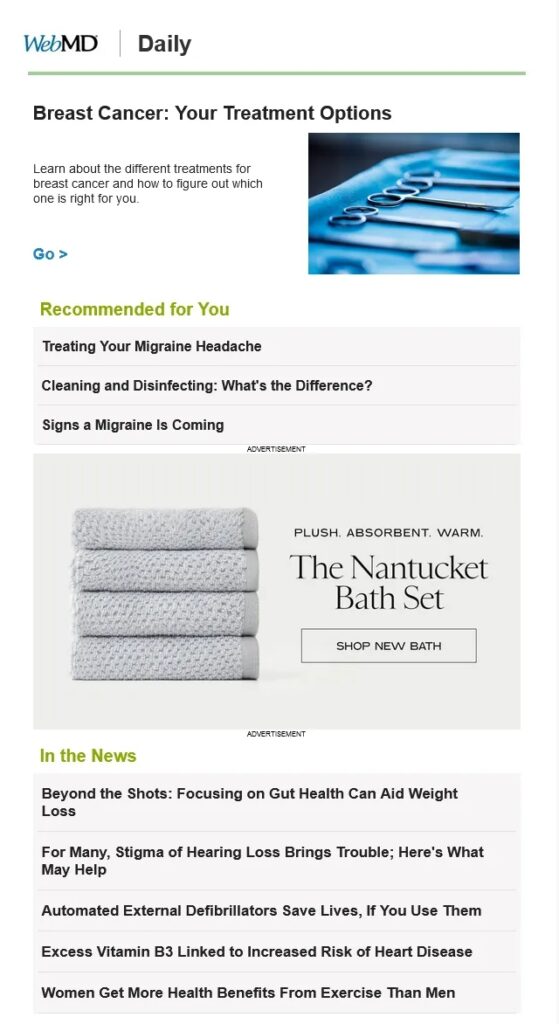
WebMD Daily is a health and wellness newsletter that shares practical medical advice, healthy lifestyle tips, nutrition guidance, and wellness updates for everyday readers.
Why Subscribe?
- Get practical health and wellness advice delivered daily.
- Learn simple ways to improve your lifestyle and wellbeing.
- Access trusted information about common health conditions.
7. CBC Health’s Second Opinion
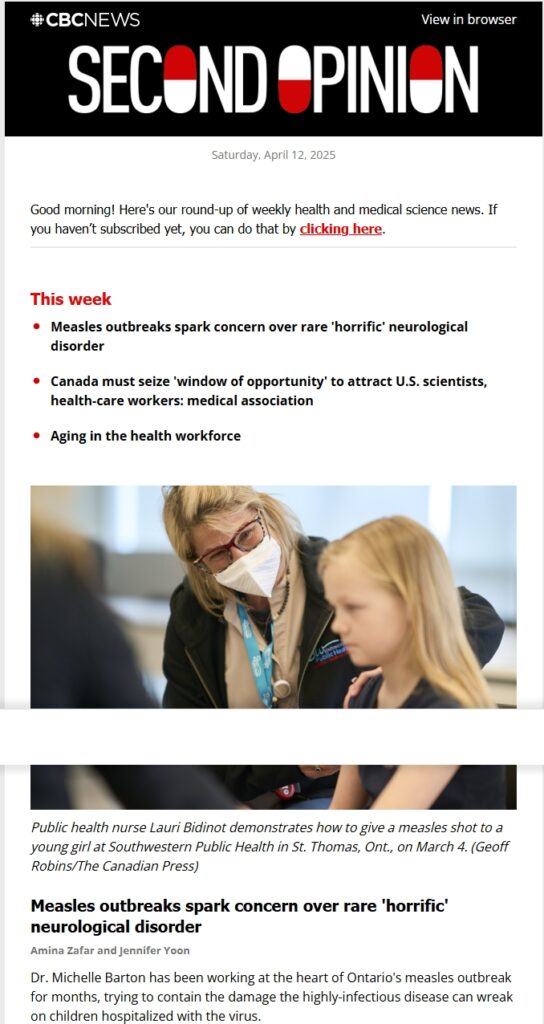
CBC Health’s Second Opinion from Canadian Broadcasting Corporation is a health journalism newsletter that explores public health issues, medical misinformation, healthcare policy, and scientific research through investigative reporting.
Why Subscribe?
- Receive in-depth analysis of important healthcare issues.
- Stay informed on public health developments and research.
- Read evidence-based reporting on healthcare trends and challenges.
8. Mindbodygreen Daily
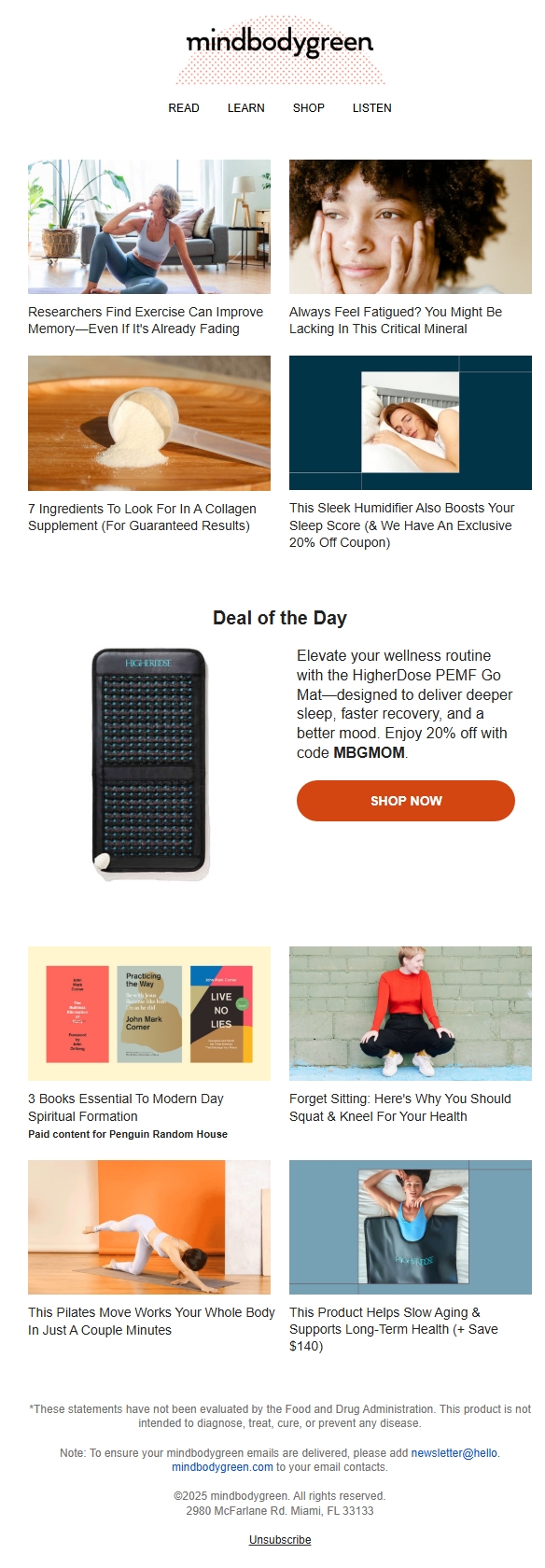
Mindbodygreen Daily is a wellness-focused newsletter covering mental wellbeing, nutrition, fitness, mindfulness, relationships, and holistic health practices. It blends wellness education with lifestyle inspiration.
Why Subscribe?
- Discover wellness habits for mind and body balance.
- Access mindfulness, nutrition, and self-care content.
- Enjoy inspirational and lifestyle-focused wellness advice.
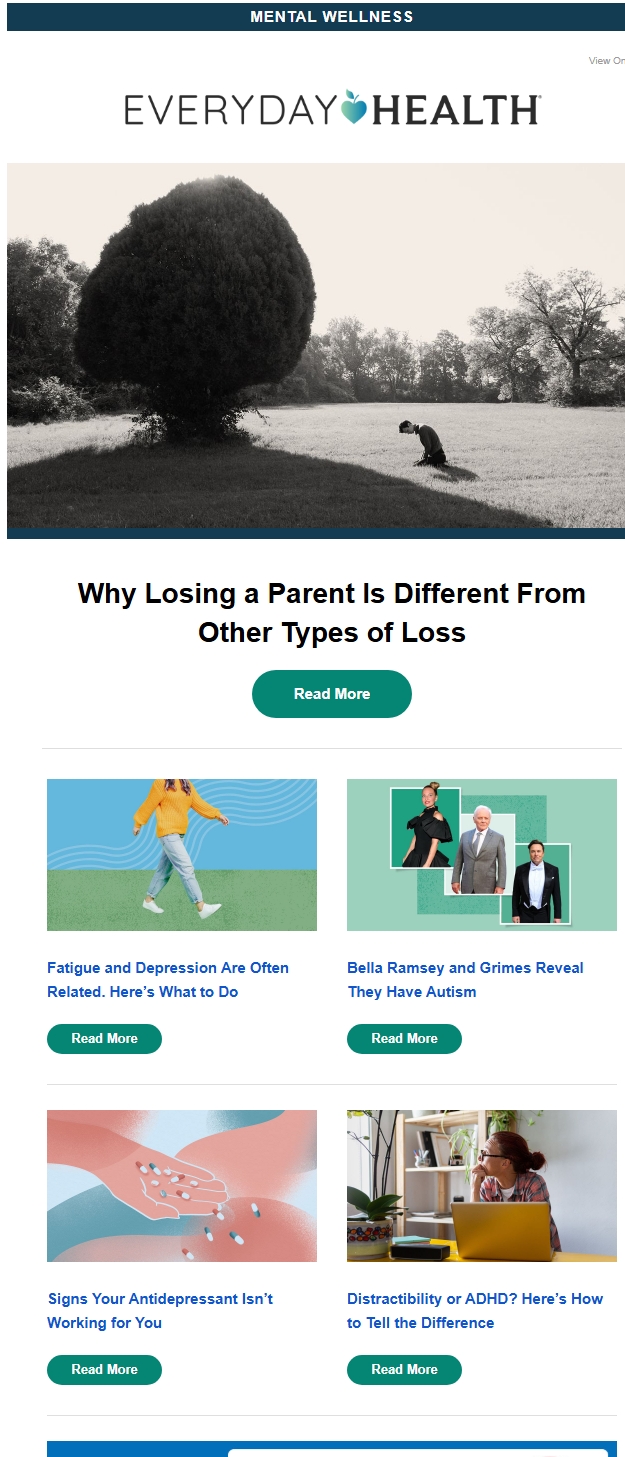
9. Everyday Health
Everyday Health publishes newsletters focused on healthy living, chronic condition management, fitness, nutrition, and emotional wellbeing. Its content aims to help readers make informed health decisions.
Why Subscribe?
- Learn practical ways to manage everyday health challenges.
- Receive wellness advice tailored to real-life situations.
- Stay updated on nutrition, exercise, and mental health topics.
10. Rock Health
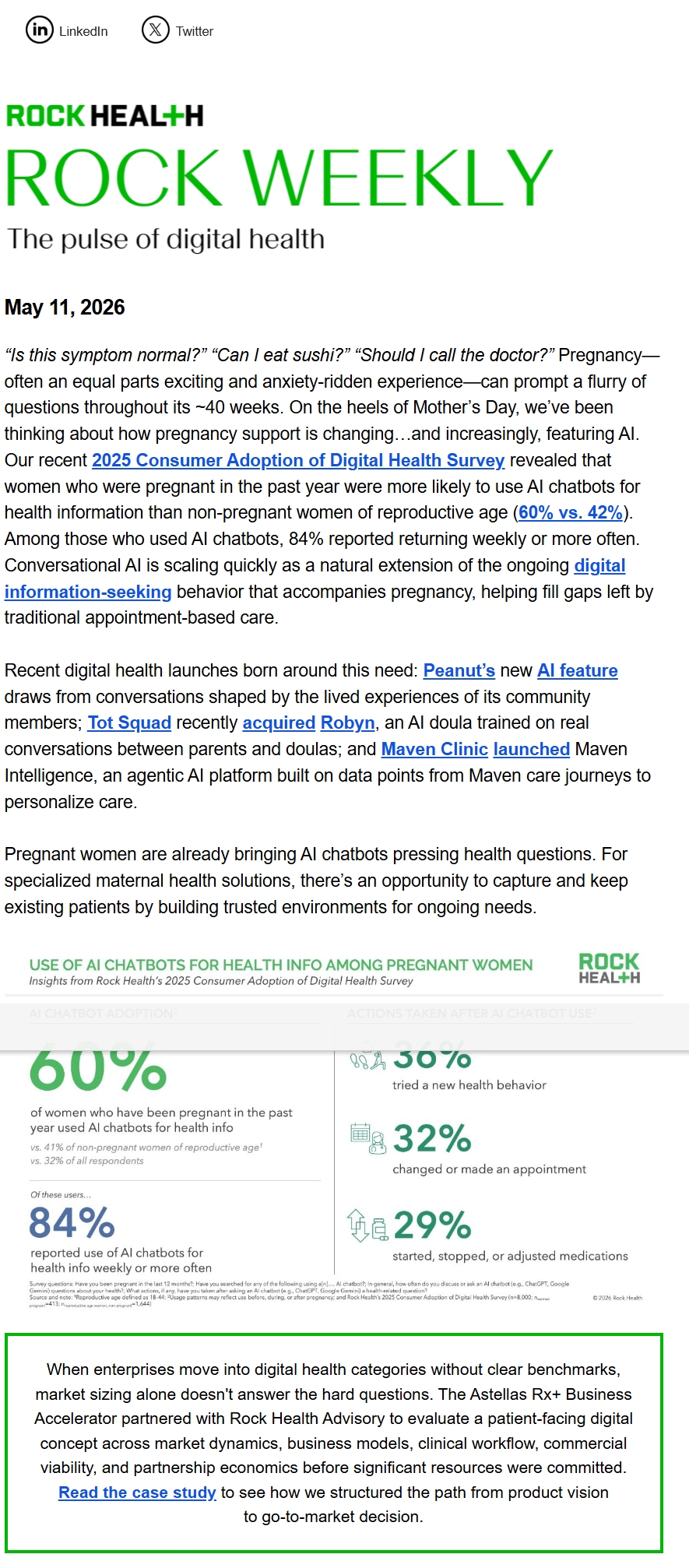
The Rock Health newsletter focuses on digital health innovation, healthcare investment, emerging technologies, and startup trends within the healthcare industry.
Why Subscribe?
- Stay informed on healthcare startups and innovation trends.
- Learn about healthcare investment and digital health growth.
- Explore the future of medical technology and AI in healthcare.
How Convertnow Helps You Create the Best Health Newsletter
Convertnow is one of the best platforms for building a successful health newsletter because it is designed specifically for creators, bloggers, coaches, and online businesses. Whether you share fitness advice, nutrition tips, mental wellness content, or healthcare updates, Convertnow makes it easier to create engaging newsletters and grow a loyal audience.
One of the biggest advantages of Convertnow is its simplicity. The platform offers clean and professional email templates that help your health newsletter look organized and easy to read. This is important because health readers usually prefer newsletters that are visually clean, informative, and free of unnecessary design elements.
Convertnow also helps creators build stronger relationships with subscribers through personalized email marketing. You can organize your audience by interest and send targeted content to specific groups. For example, subscribers interested in nutrition can receive healthy eating tips, while fitness subscribers receive workout-related content.
Another reason Convertnow stands out is its automation tools. You can create automated welcome emails, wellness courses, fitness challenges, or weekly health series that are sent automatically to subscribers. This helps maintain consistency while saving time.
FAQ
What should I include in a health newsletter?
A health newsletter should include valuable and easy-to-understand content such as wellness tips, nutrition advice, fitness guidance, mental health support, and healthcare updates. Adding interactive elements like polls, quizzes, or personal stories can also improve engagement and help readers feel more connected to your content and brand.
How often should I send a health newsletter?
Most health newsletters are sent weekly, biweekly, or monthly depending on the creator’s schedule and audience preferences. Consistency matters more than frequency because readers appreciate reliable communication. Choose a schedule you can maintain comfortably while continuing to provide high-quality, useful, and engaging health or wellness content regularly.
Can beginners start a health newsletter?
Yes. Beginners can successfully start a health newsletter by focusing on accurate research, clear writing, and consistent publishing. You do not need to be a medical expert to share wellness content. Building trust through reliable information and practical advice helps grow credibility and audience loyalty over time naturally.
How do health newsletters make money?
Health newsletters make money through sponsored content, affiliate marketing, paid memberships, coaching services, digital products, and online wellness courses. As the audience grows, creators can partner with brands, promote relevant products, or offer premium subscriber-only content to generate consistent income from their expertise and engaged community of readers.
Conclusion
Health newsletters are a valuable way to educate, inform, and engage audiences interested in wellness and healthy living. Whether covering fitness, nutrition, mental health, or healthcare updates, they help readers access useful information in a simple and consistent format.
Successful newsletters focus on trustworthy content, regular communication, and audience needs. Choosing the right email platform can also improve design, subscriber management, and content delivery. Over time, a health newsletter can help build credibility, grow a loyal audience, and create opportunities for personal or professional growth.