
Last Updated on June 2, 2026 by Annet Njoki
If you’ve been a parent for some time, you’re probably still learning because, honestly, who isn’t? Maybe you have stories to tell. Maybe you’ve found a few tips that made things easier. Or maybe you want to connect with other parents who understand.
The truth is, parenting doesn’t need more perfect moments. It needs more real ones. More “me too” feelings. More honest sharing, like “Here’s what worked for us, maybe it will help you too.”
And that’s exactly what a parenting newsletter can be. A small, honest corner of the internet where parents feel seen, heard, and a little less alone.
But if you’re wondering how to start, or even what kind of newsletter you’d write, here’s a peek at some incredible parenting newsletters and what you can learn from them to shape your own.
Why Your Voice Matters in Parenting Newsletters
1. Experience Over Expertise
You don’t have to be a certified expert to offer valuable insights. Many industries, like healthcare, use medical newsletters to share trusted, structured information with their audiences.
2. Honesty Beats Perfection
You don’t need to be a polished writer. Authenticity resonates far more than perfect grammar or style. Sharing your honest thoughts, struggles, and successes creates a genuine connection with your readers.
3. Quality Over Quantity
It’s not about having thousands of subscribers; it’s about reaching a few people who find comfort, guidance, or inspiration in your words. Even one person saying, “This helped me,” makes your effort worthwhile.
4. A Safe Space to Share and Reflect
Whether you want to pour out your heart, give practical advice, or simply process the ups and downs of parenting, a newsletter is a wonderful outlet. It can be your personal space to reflect while also supporting others.
What Makes a Good Parenting Newsletter?
Parents don’t have time for fluff. They read your newsletter in the middle of chaos, like chasing toddlers or rocking a baby at midnight. A good parenting newsletter should feel like a trusted friend. It needs to be comforting, useful, and real, offering something that makes their day a little lighter or their parenting journey a bit clearer. Ideally, it should be;
- Relatable and Conversational
A great parenting newsletter sounds like it’s written by a friend who truly understands. It uses a conversational and empathetic tone, sharing real-life moments like parenting wins or struggles. This approach helps readers feel seen and connected, avoiding formal or distant language.
2. Consistently Valuable
Parents are busy and appreciate content that offers something meaningful every time. Each issue should include helpful tips, reassuring stories, or useful resources so readers immediately recognize the newsletter’s worth.
3. Honest and Realistic
Instead of presenting an idealized version of parenting, a strong newsletter embraces the messy, challenging parts. Honest sharing about difficulties creates space for readers to feel less alone and more understood.
4. Focused and Purposeful
Focusing on a specific topic or audience, such as toddler behavior or single parenting, helps keep the content purposeful and impactful. It also sets clear expectations for readers about what your newsletter covers.
5. Brief and Easy to Scan
Since parents often read on the go, newsletters should be easy to skim with short paragraphs, bolded key points, and visuals. This keeps the content digestible and inviting for busy readers.
6. Community-Oriented
The best newsletters feel like a two-way conversation rather than a one-way broadcast. Encouraging reader replies, sharing stories from your audience, or posing questions fosters a sense of belonging and mutual support.
Top Parenting Newsletters to Subscribe To
Expert-Led / Educational
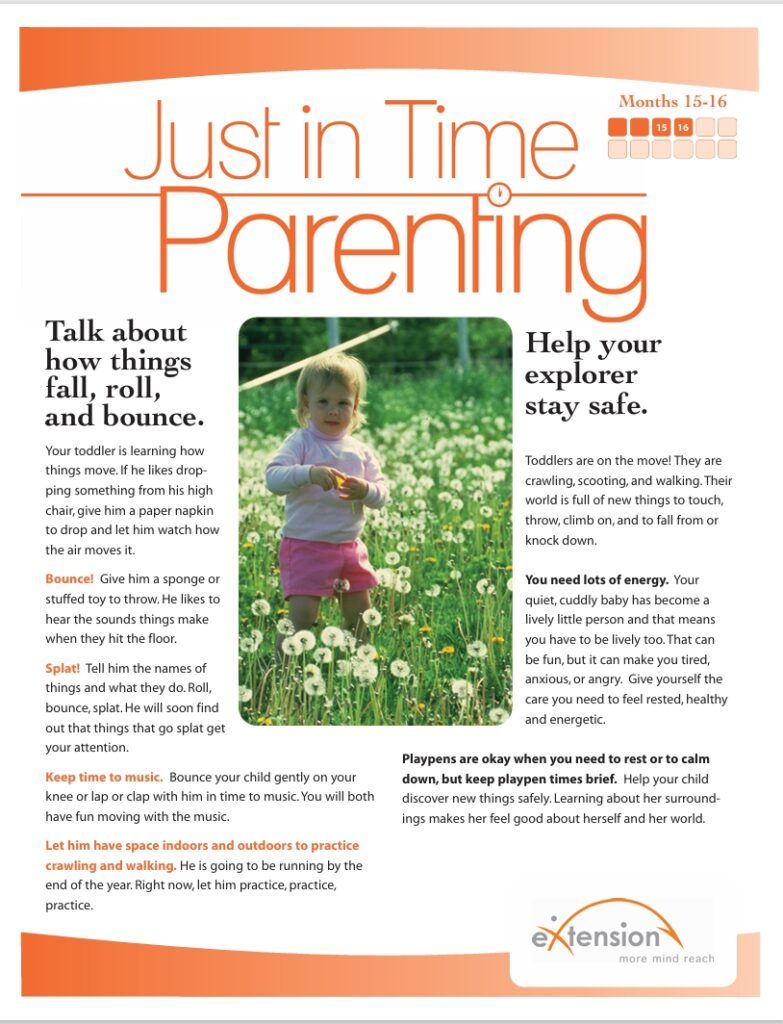
1. Just In Time Parenting
Audience: New parents, especially with kids aged 0–5
Style: Educational, calm, structured
Designed by professionals, this newsletter delivers stage-by-stage guidance for parents of children from birth to age five. It’s science-based and age-specific, making it ideal for new parents to trust developmental advice.
What I like:
It feels like a calm, steady voice in the parenting world. The best part? It’s your child’s age, so you’re not overwhelmed with irrelevant info.
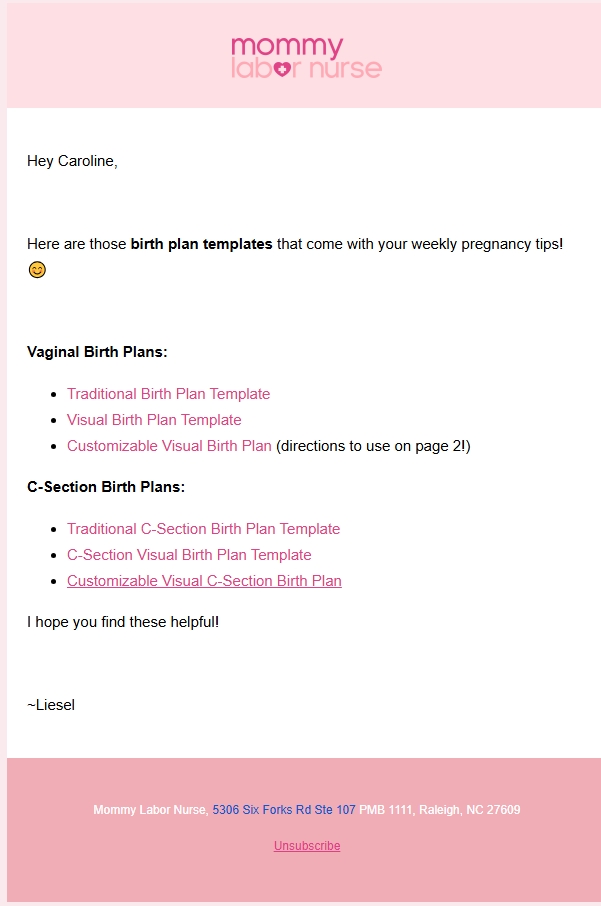
2. Mommy Labor Nurse
Audience: Expectant moms and first-time mothers
Style: Supportive, expert-led, practical
Run by a labor and delivery nurse, this newsletter focuses on pregnancy, birth, and early postpartum support. It’s practical, medically informed, and perfect for expecting or first-time moms seeking education without overwhelm.
What I like:
It’s practical and comforting all at once. I appreciate how it empowers moms with real, evidence-based info without the fear-mongering that’s all over the internet. It’s clear, kind, and speaks directly to moms who want to feel ready for birth.
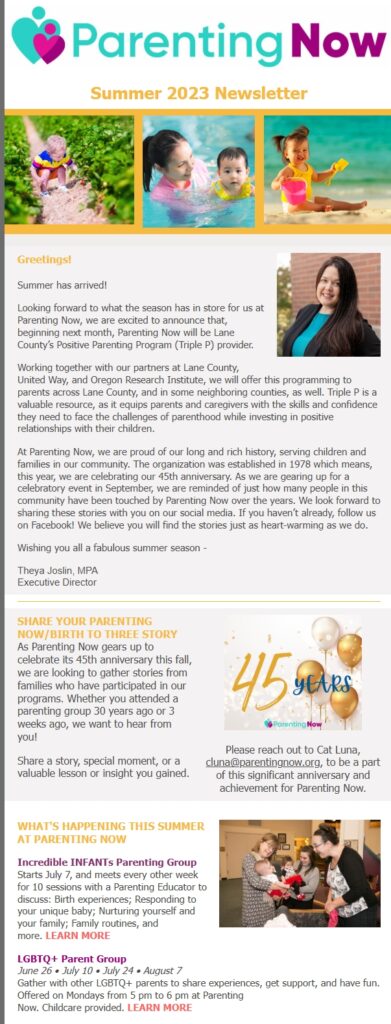
3. Parenting Now
Audience: Parents and caregivers of young children, especially those from underserved or lower-income communities who are seeking practical, research-informed guidance.
Style: Gentle, inclusive, educational
This nonprofit-based newsletter offers evidence-informed parenting support, tools, and classes, mostly geared toward early childhood. It leans toward accessible education for all families.
What I like:
It feels like a warm community resource, gentle and inclusive. I like that it’s designed for all kinds of families, especially those who might not have easy access to parenting support. It’s simple, helpful, and clearly built with care.
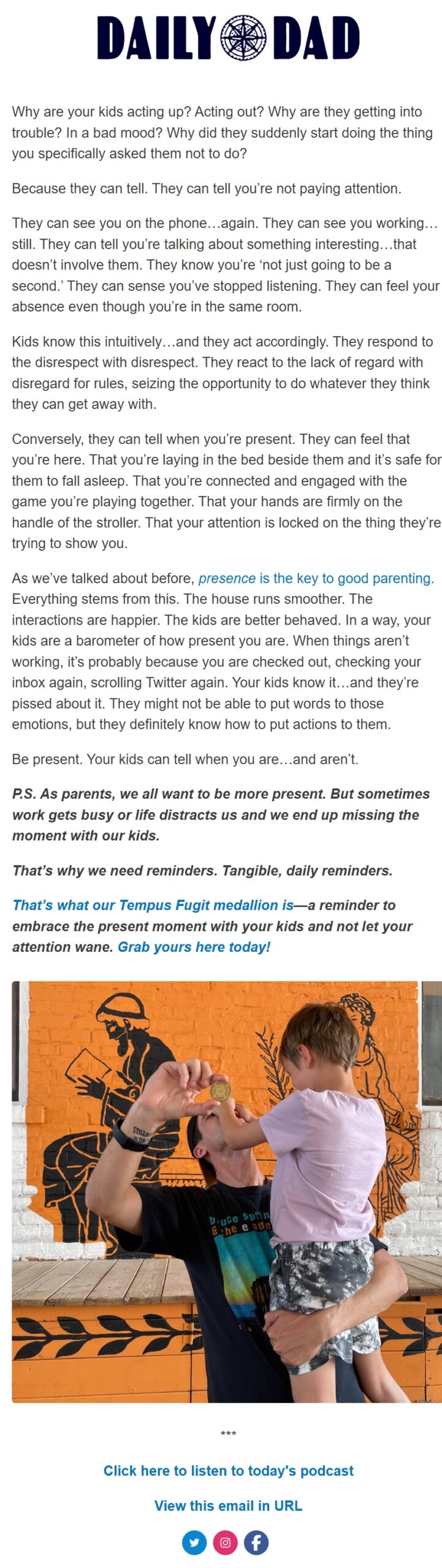
4. Daily Dad
Audience: Emotionally aware dads (especially Gen X and millennial fathers)
Style: Reflective, honest, thoughtful
Created by Ryan Holiday and the team behind Daily Stoic, Daily Dad delivers short, philosophical reflections to help dads lead with wisdom, presence, and patience. With a focus on timeless values and personal growth, it’s perfect for fathers seeking daily reminders to be more intentional and emotionally grounded.
What I like:
It carries a gentle strength. Each message is brief but lingers in your mind long after you’ve read it. What I love most is how it weaves classic wisdom into everyday parenting in a way that feels supportive, not preachy. It’s like a quiet reminder each day to show up as the father you’re striving to become.
Relatable / Real-Life Storytelling
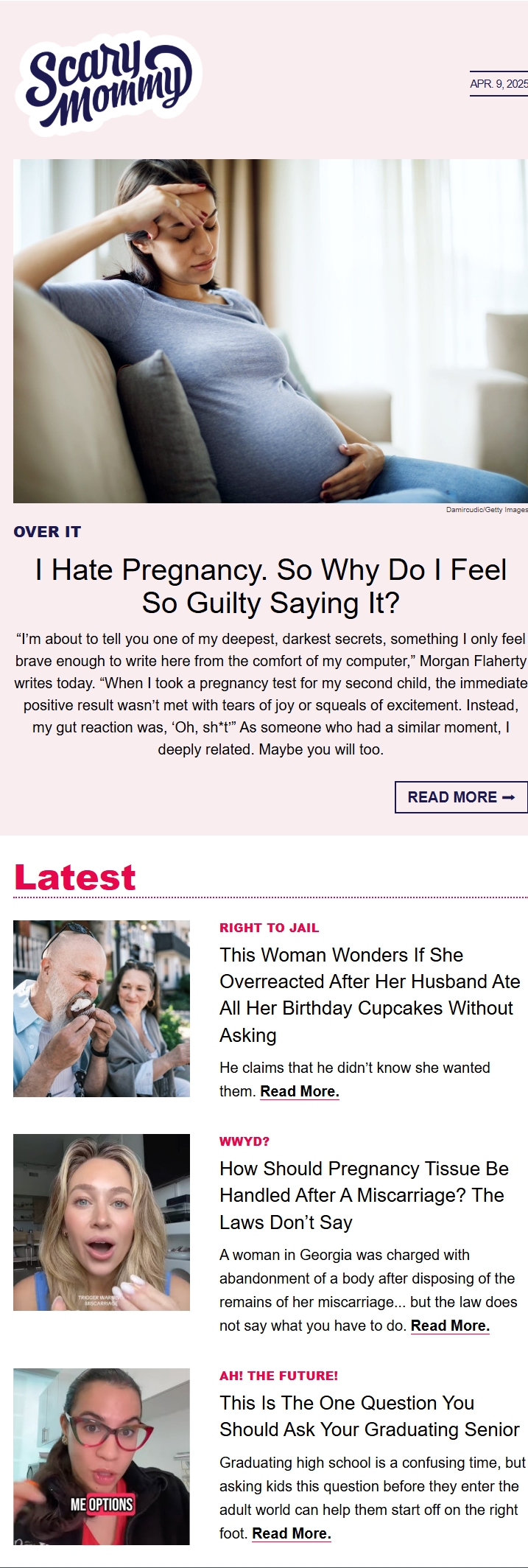
5. Scary Mommy
Audience: Primarily moms (especially millennials and Gen X)
Style: Bold, humorous, brutally honest
A cultural juggernaut in parenting media, Scary Mommy is raw, loud, funny, and often snarky. Its newsletter shares honest stories, trending parenting issues, and mom-life humor. Think “real talk” with a side of sass.
What I like:
It’s fearless. This newsletter says the things parents actually think but often don’t say out loud. It’s validating, messy, funny, and refreshingly unfiltered. I love that it makes moms feel less alone, especially on the tough days when everything feels upside down.
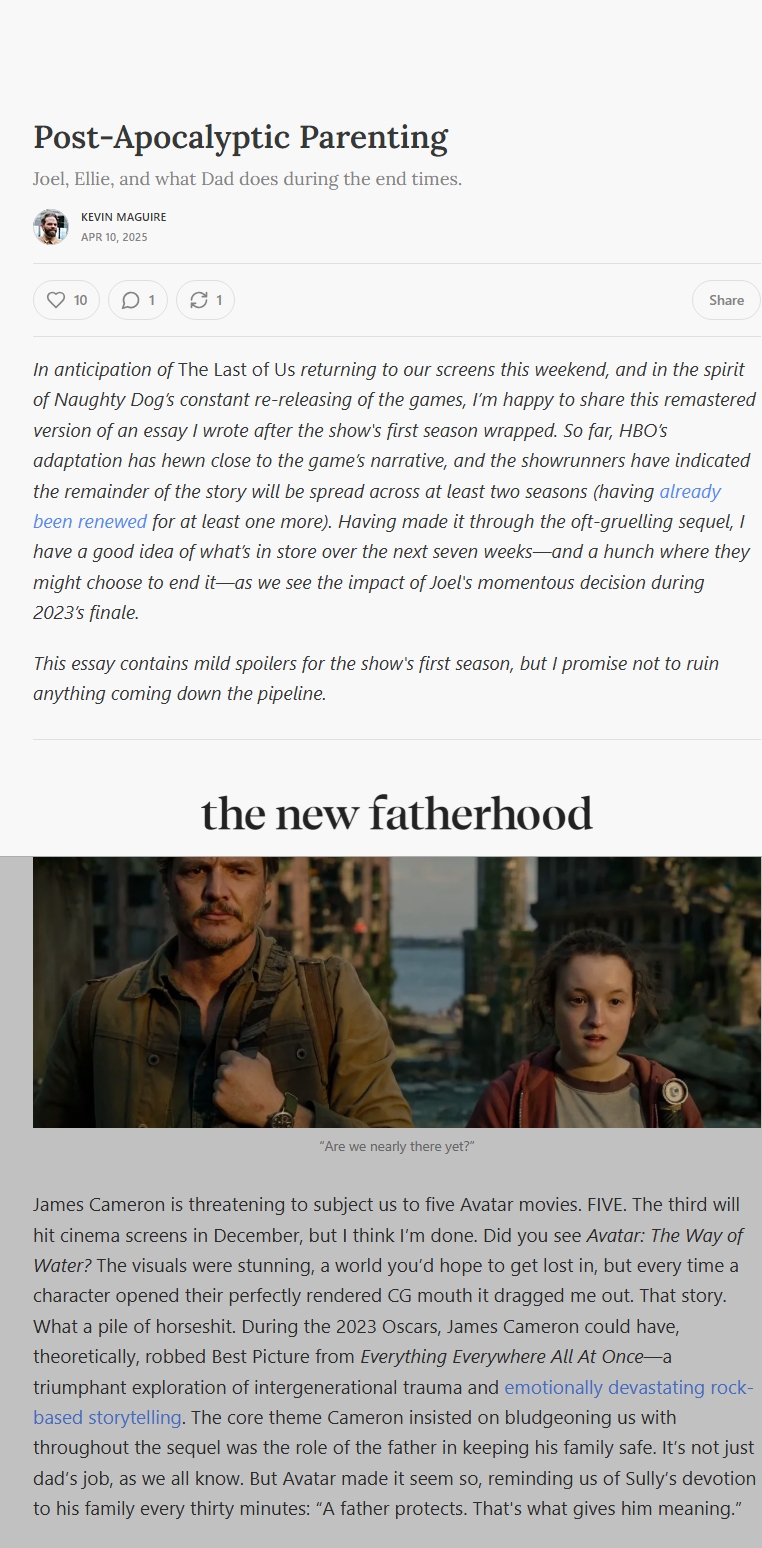
6. The New Fatherhood
Audience: Emotionally aware dads (especially Gen X and millennial fathers)
Style: Reflective, honest, thoughtful
Created by a dad who gets it, this newsletter mixes humor, heart, and real talk about modern fatherhood. It explores everything from emotions and relationships to identity, offering meaningful reflections for dads who want more than just punchlines about diapers.
What I like:
It’s deep, thoughtful, and emotional in the best way. I love how it allows dads to be vulnerable and reflective. It’s less about advice and more about evolving as a human through fatherhood, which is beautiful to see.
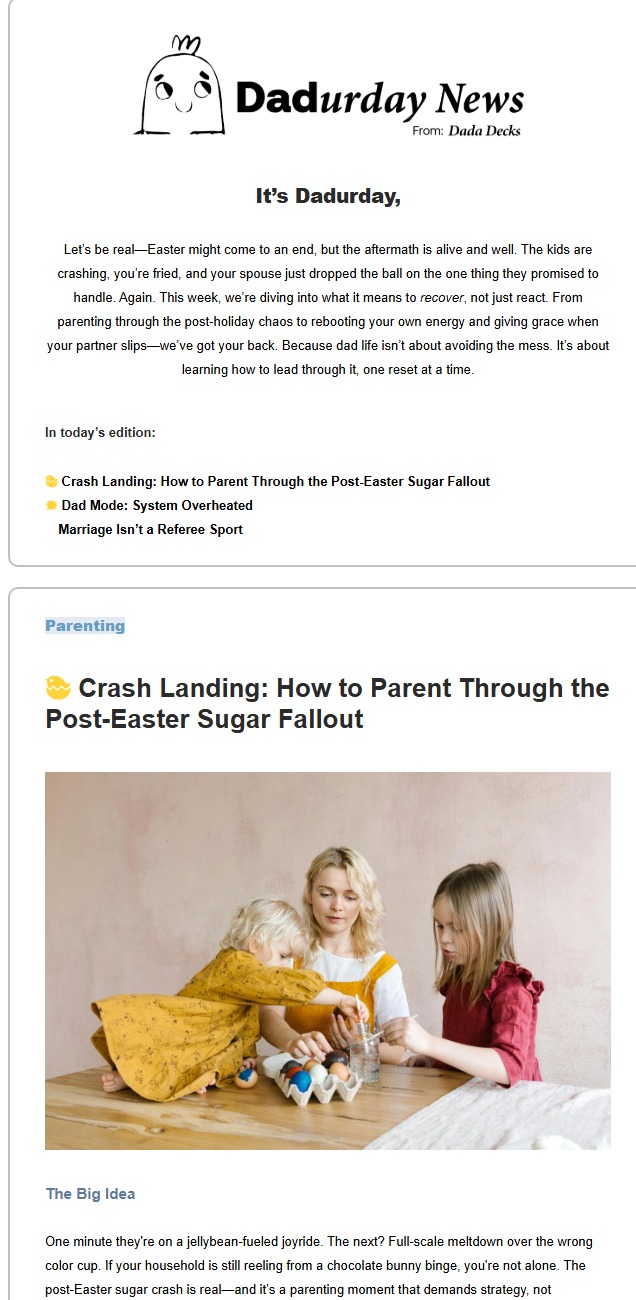
7. Dadurday from Dada Decks
Audience: Engaged dads who want to connect with their kids
Style: Fun, playful, creative
This newsletter focuses on fun weekend ideas and content curated for dads. It’s light, creative, and community-driven, built around intentional father-child bonding.
What I like:
It’s just fun. It doesn’t overcomplicate parenting; it gives dads practical, playful ideas to spend time with their kids. I love that it encourages presence over perfection and makes weekend bonding feel exciting, not stressful.
Mainstream / General Parenting Media
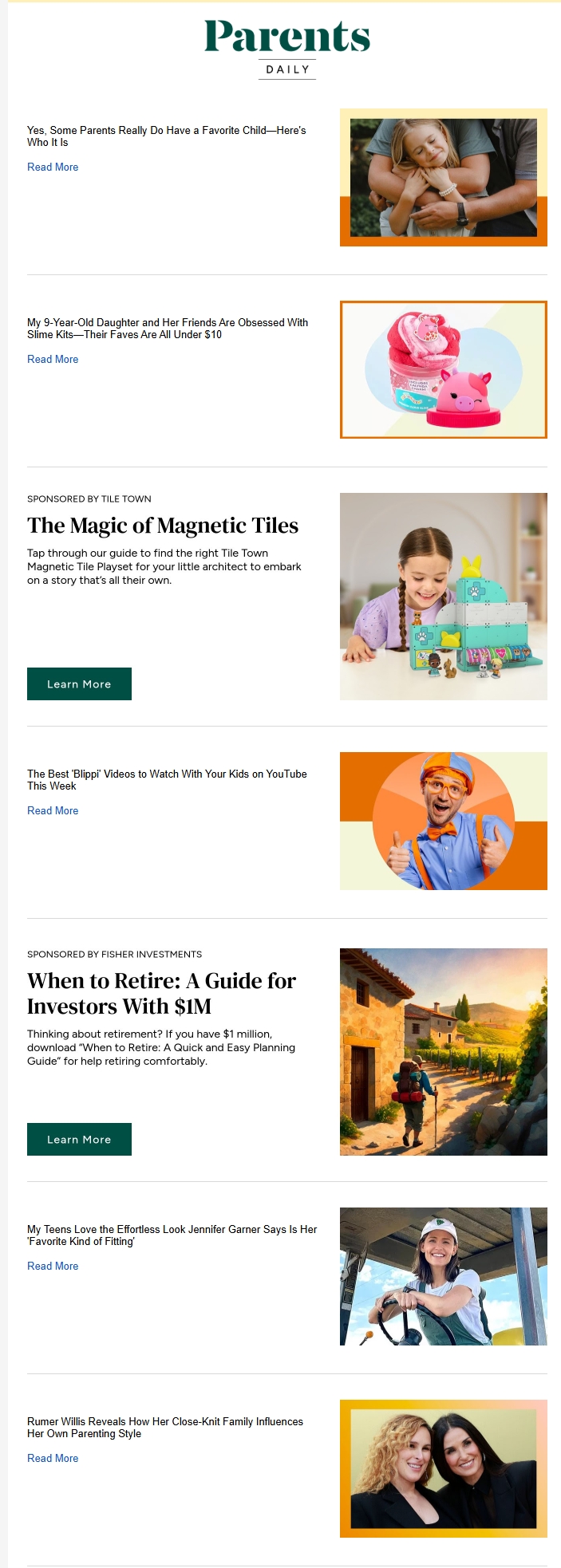
8. Parents Daily (by Parents Magazine)
Audience: General parents of babies to school-age kids
Style: Quick, informative, magazine-style
This is a go-to source for wide-reaching parenting content. The newsletter offers bite-sized daily advice, product picks, and trending parenting stories. Great for general audience moms and dads looking to stay in the loop.
What I like:
It’s light, quick, and helpful. I like how it delivers just enough info to spark an idea or solve a mini crisis without overwhelming you. It’s like a daily drip of “okay, I’ve got this” energy.
Inspirational / Lifestyle-Oriented
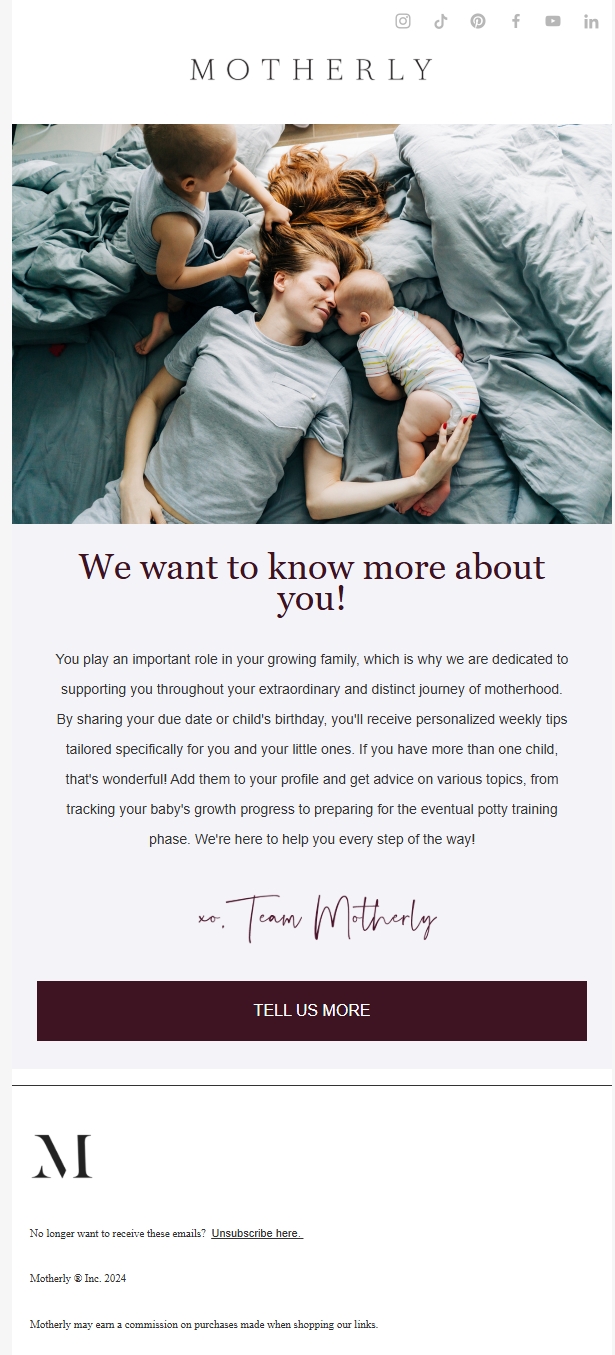
9. Motherly
Audience: Modern, mindful moms (often working moms)
Style: Inspirational, elegant, nurturing
Motherly’s newsletter is warm, thoughtful, and uplifting. It combines practical advice, affirmations, personal stories, and curated product recommendations. It’s a great fit for moms who appreciate content that weaves together motherhood, self-care, identity, and empowerment.
What I like:
It feels beautifully curated, almost like a lifestyle brand built just for mothers. I love how it balances emotional essays with helpful tips and inspiration. It reminds moms that they’re more than just caregivers, they’re whole humans too.
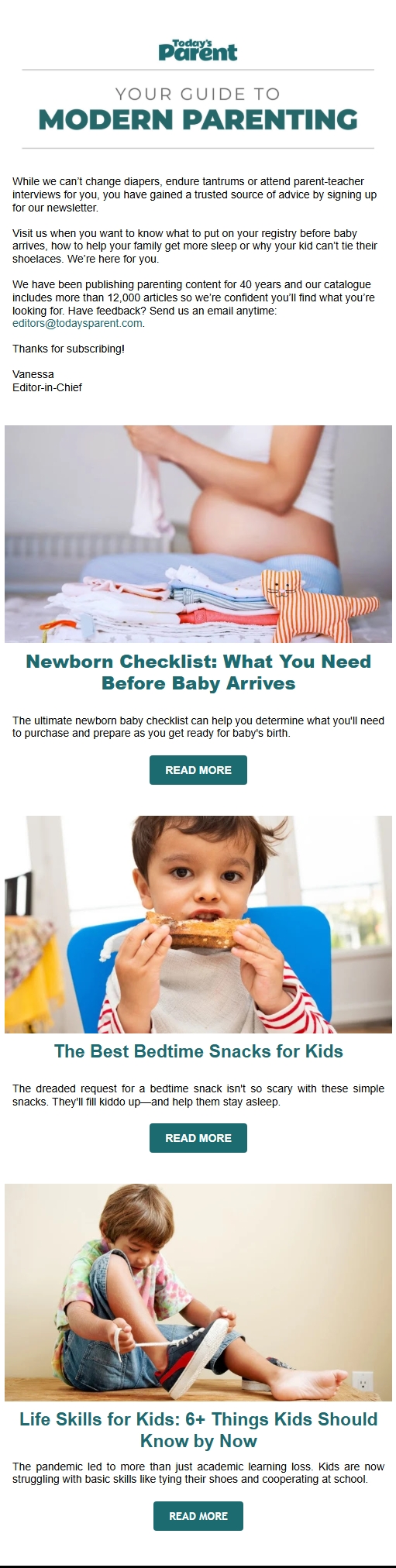
10. Today’s Parent
Audience: Parents of all stages, especially Canadian families
Style: Balanced, practical, friendly
This newsletter feels like a modern parenting magazine in your inbox. It covers a mix of news, product tips, expert advice, and trending topics. It is accessible and lifestyle-focused with a Canadian edge.
What I like:
It has a lovely, trustworthy tone. The content always feels current and seasonal, perfect for parents who like having new ideas at their fingertips. I also admire how it includes relationship content, not just child-focused advice.
Starting Your Own Parenting Newsletter
Starting a parenting newsletter is ideal for parent bloggers, educators, doulas, pediatric nurses, and anyone passionate about sharing honest, relatable content with families. If you’re just getting started, understanding how to grow a newsletter can help you build momentum early.
Tools to Use
Convertnow is an all-in-one email marketing and landing page platform that’s great for parenting newsletter creators. It combines email marketing, landing page design, and automation all in one dashboard. You can create custom sign-up forms, build eye-catching landing pages, and schedule nurturing email sequences. Plus, it lets you segment your audience by parenting stage or interests for targeted content. With its affordability and simple interface, Convertnow is a solid pick whether you’re just starting or looking to scale your newsletter.
Wrap Up
The most impactful parenting newsletters do more than offer advice; they truly connect with parents in their everyday lives. One powerful strategy to grow faster is using a newsletter referral program to turn readers into subscribers who share your content.
If you are planning to create your own parenting newsletter, let these examples inspire you. Focus on who you are writing for, what they are going through, and the kind of voice that will feel supportive and real to them. Most importantly, keep it human. In parenting, connection is just as valuable as content.