Last Updated on May 8, 2026 by Ian
Medical newsletters are essential communication tools in healthcare, serving to keep professionals, patients, and stakeholders well-informed about the latest news, research breakthroughs, and best practices.
In the medicine field, new knowledge, therapies, and technology are developing quickly; they are crucial for bridging knowledge gaps and ensuring that significant updates are promptly communicated to the right audiences.
They not only help medical professionals stay informed about innovations, policy changes, and evidence-based recommendations that impact patient care but also provide patients and the public with accessible information on health issues, wellness, and prevention, empowering informed health decisions.
In this post, we’ll explore what medical newsletters are, why they matter, and share 10 real-life examples to inspire your own healthcare communication.
Medical Newsletter VS Health Newsletter
A medical newsletter and a health newsletter may seem similar, but they serve different purposes and target distinct audiences. A medical newsletter primarily targets healthcare professionals and sometimes patients who want detailed, clinical, and research-based information.
It focuses on the latest medical research, treatment updates, clinical guidelines, policy changes, and professional insights that directly impact patient care and medical practice. The language used is usually technical, evidence-based, and may contain medical terms intended for people with a medical background.
In contrast, a health newsletter is generally aimed at the broader public, including patients and wellness seekers. It covers a wider range of topics related to general health, wellness tips, disease prevention, lifestyle advice, and accessible health news can also be referred to ad . These newsletters use simpler language and focus on empowering readers to make informed decisions about their health and well-being.
Importance of Medical Newsletters
Patient Education
Newsletters act as a great resource to empower readers by delivering useful, accurate, and easy-to-digest health information. This knowledge helps patients gain a better understanding of their conditions, treatment choices, and preventive strategies. By boosting health literacy, newsletters allow individuals to make informed choices about their care, embrace healthier habits, and take an active role in managing their health.
Building Loyalty
Consistent communication through a practice newsletter keeps healthcare providers connected with their patients outside of the clinical environment. It gives practices a reliable way to share health tips, patient care updates, appointment reminders, and clinic news while keeping patients informed between visits. This ongoing interaction builds trust, nurtures long-term relationships, and encourages patients to return for follow-up care and recommend the practice to others.
Promoting Services
Newsletters serve as an excellent platform to showcase new or specialized services, upcoming health events, workshops, or introduce new doctors and staff. By highlighting these offerings, healthcare organizations can raise awareness, encourage patient participation, and stand out in a competitive landscape. This proactive promotion attracts new patients and motivates existing ones to explore a wider array of services.
Boosted Appointment Scheduling
Newsletters act as friendly nudges and encouragement for patients to arrange essential check-ups, screenings, and follow-up appointments. By emphasizing the advantages of preventive care and early detection, newsletters can prompt timely responses and enhance patient adherence. Maintaining a strong email sender reputation for better deliverability helps ensure medical newsletters reach the right audience.
10 Medical Newsletter Examples
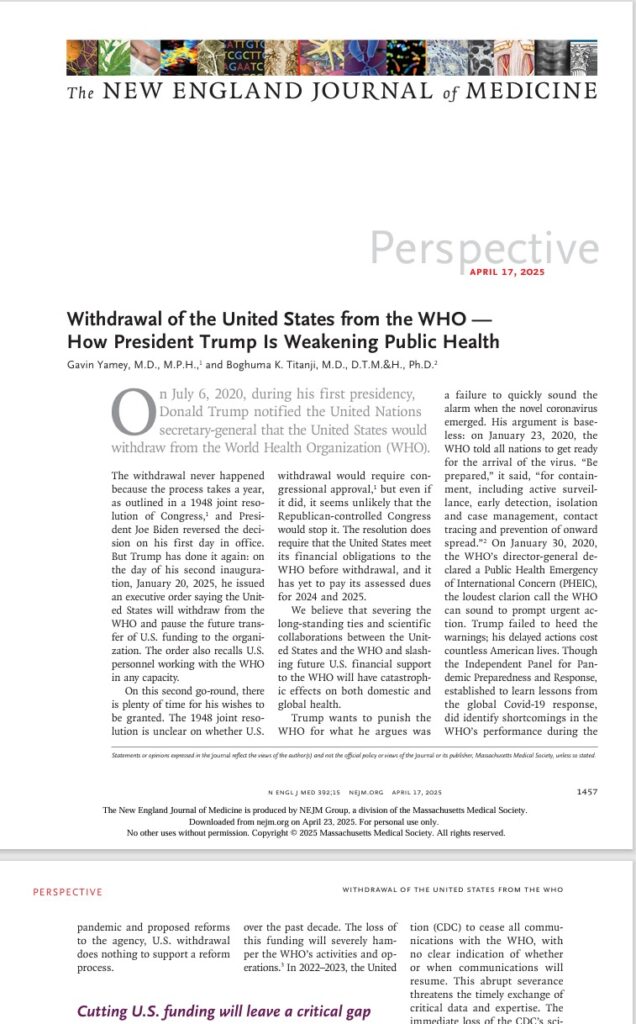
The New England Journal of Medicine
The New England Journal of Medicine (NEJM) newsletter is a collection of email updates and alerts aimed at keeping healthcare professionals, researchers, and anyone interested in the latest news from NEJM in the loop. These newsletters provide timely updates, summaries, and handpicked content straight to subscribers’ inboxes, helping them stay up-to-date with significant medical research and clinical progress.
Why subscribe:
- Helps busy healthcare professionals stay current with the latest research without having to read full journal issues.
- Offers credible, peer-reviewed content trusted by the global medical community.
- Supports lifelong learning and evidence-based practice.
2. JAMA Network Newsletters
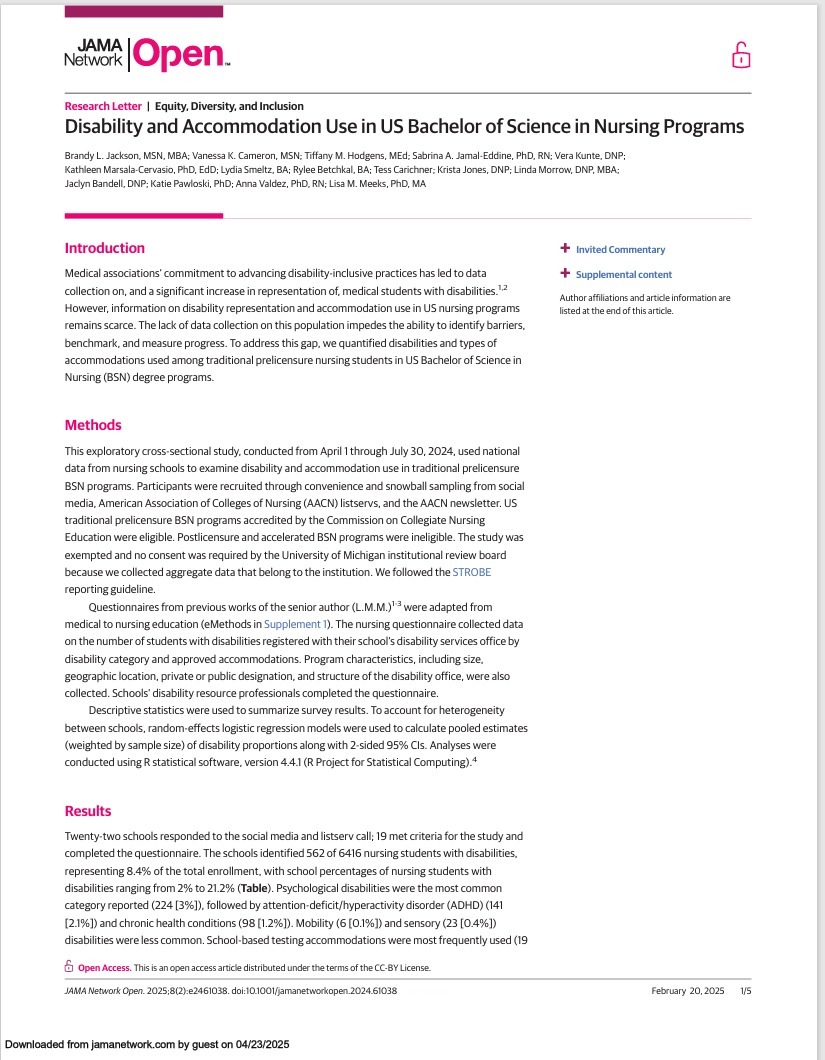
The JAMA Network Newsletters are consistent email updates from the Journal of the American Medical Association (JAMA) along with its specialty journals. They’re meant to keep healthcare professionals, researchers, and students in the loop about the newest medical research, clinical guidelines, and news from different specialties.
Why Subscribe?
- Stay current with high-quality, evidence-based research.
- Access specialty-specific insights tailored to your field.
- Receive exclusive content not always found in the print journal.
3. The BMJ Weekly Update
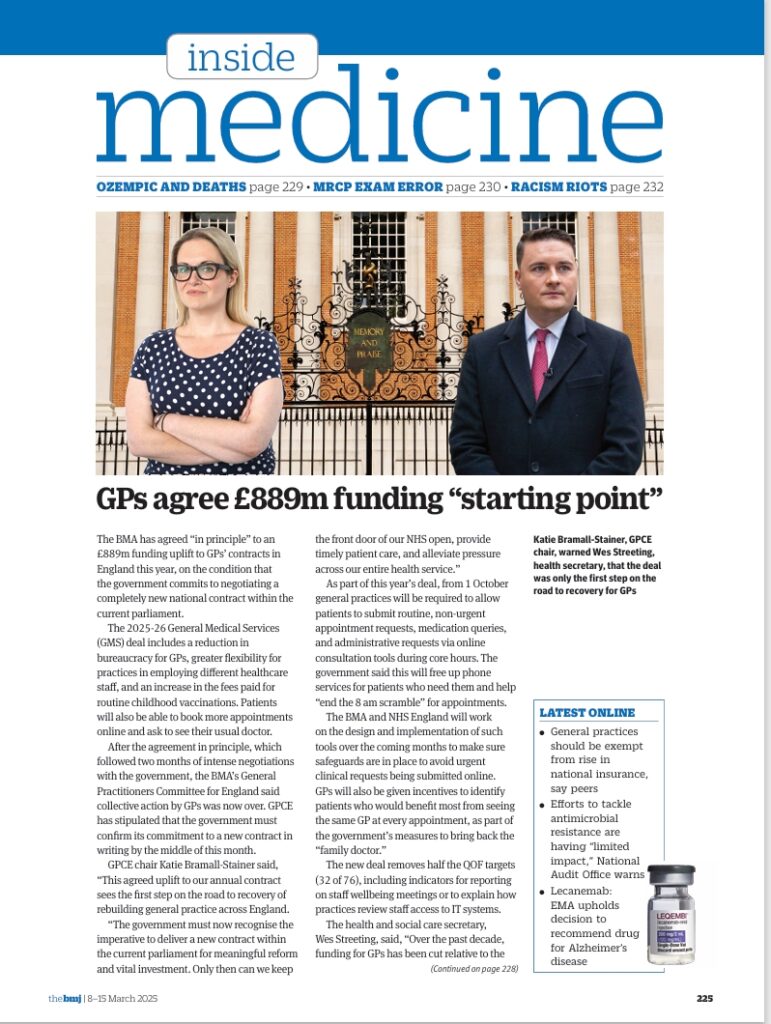
The BMJ Weekly Update is a free, scheduled email newsletter from The BMJ that provides an essential summary of the most important medical news, latest research articles, editorials, videos, and blog content published on the BMJ website over the week. It is designed to keep healthcare professionals and readers informed about key developments and insights in medicine in a concise and timely manner.
Why Subscribe?
- Stay informed on global and UK-specific medical news.
- Receive high-quality, peer-reviewed research in a digestible format.
- Access clinical tools and decision-making resources relevant to everyday practice.
4. UpToDate Newsletter
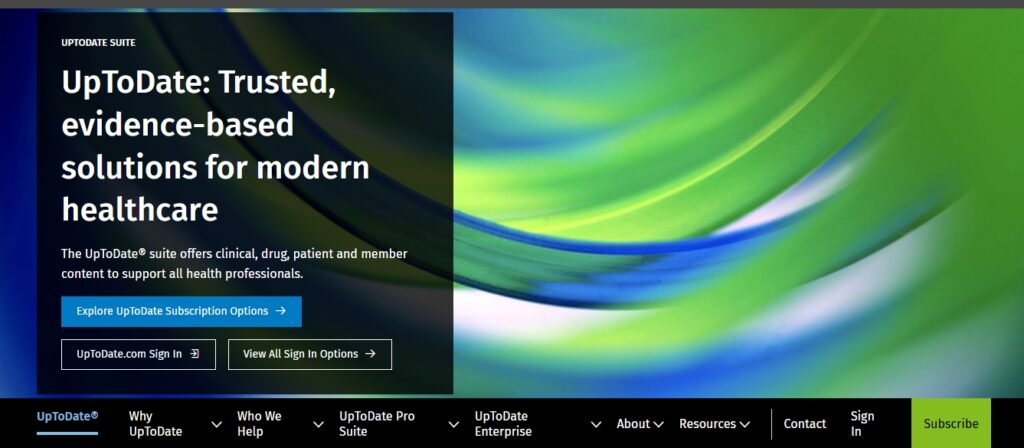
The UpToDate Newsletter is a specialized update service that provides healthcare professionals with a summary of important new clinical findings and practice-changing updates organized by medical specialty. It highlights the latest evidence-based information, treatment recommendations, and research developments since the last release, helping clinicians stay current with advances that can impact patient care.
Why Subscribe?
- It keeps you upto date on the most recent practice-changing evidence, guidelines, and clinical trials without having to sift through multiple articles.
- Receive personalized updates tailored to your profession (e.g., cardiology, infectious diseases, primary care), ensuring that you only see what is relevant to your practic
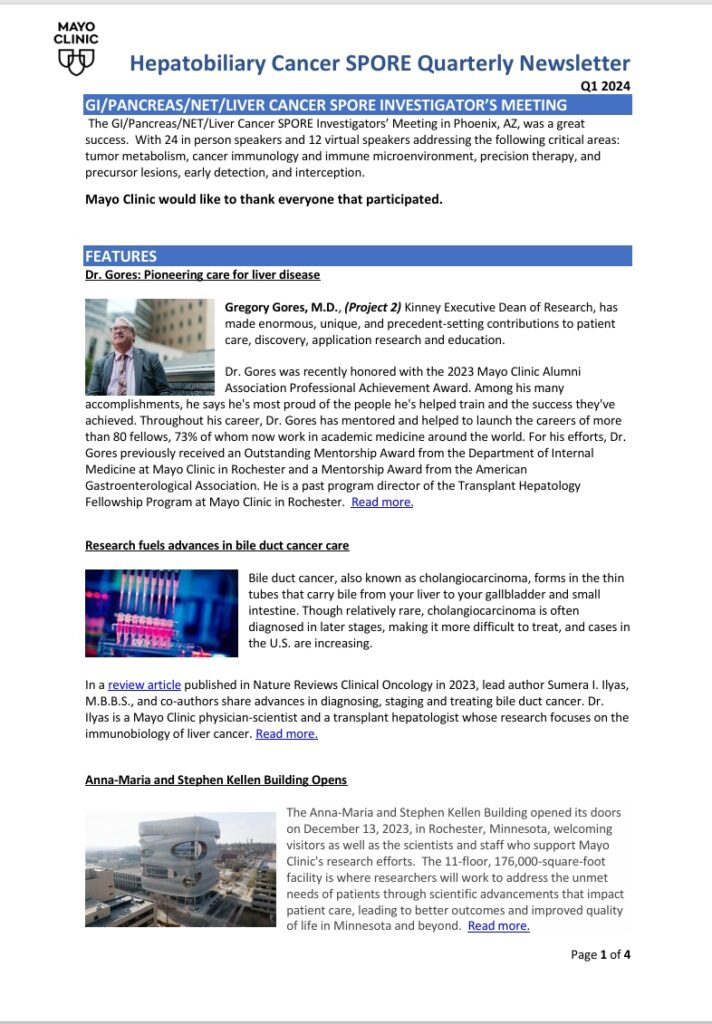
5. Mayo Clinic Proceedings Newsletter
The Mayo Clinic Proceedings Newsletter is a monthly email update from Mayo Clinic Proceedings, a prestigious peer-reviewed internal medicine journal published since 1926. The newsletter provides healthcare professionals with timely access to the latest clinical research, reviews, and expert commentary featured in the journal.
Why Subscribe:
- Stay informed on the latest evidence-based practices.
- Access expert-curated clinical summaries for practical decision support.
- Earn CME credits while remaining up to date.
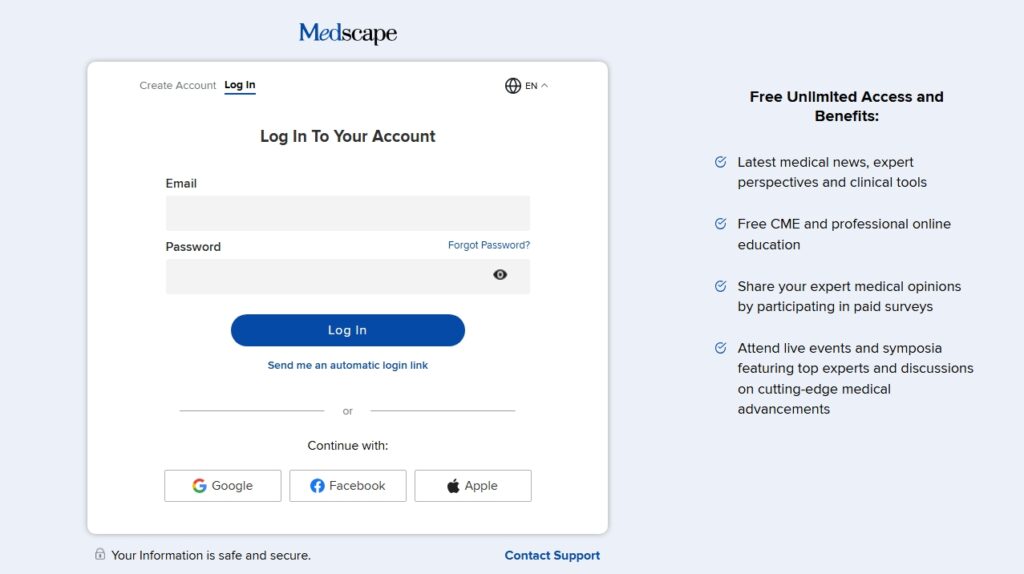
6. Medscape Medical News
The Medscape Medical News newsletter is a free, daily (weekday morning) email tailored to healthcare professionals, which includes a curated selection of the most relevant medical updates, research findings, clinical trial results, drug alerts, and expert commentary. It serves as a dependable source for keeping up with the medical sector without having to wade through many journals or news sites.
Why Subscribe:
- Get essential medical news and research headlines delivered daily.
- Avoid information overload by receiving only curated, clinically relevant content.
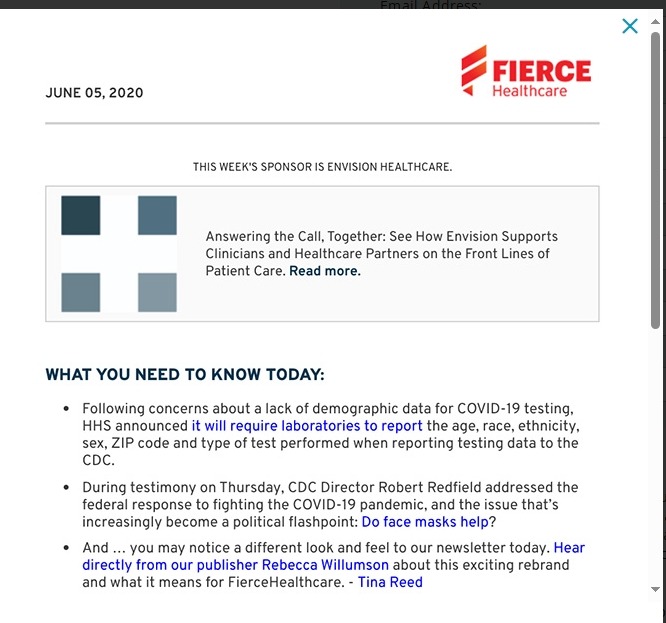
7.Fierce Healthcare Newsletter
The Fierce Healthcare Newsletter is a free daily email made for healthcare leaders and workers. It shares important news and updates about healthcare business, rules, new ideas, and technology. You’ll get the latest news about hospitals, insurance, regulations, digital health, and executive changes. It helps you keep up with fast changes in healthcare.
Why Subscribe:
- Get important news about healthcare policy, money, and new ideas.
- Read short, expert-picked stories that match your job.
- Choose special versions like Fierce Health IT or Fierce Payer for more specific info.
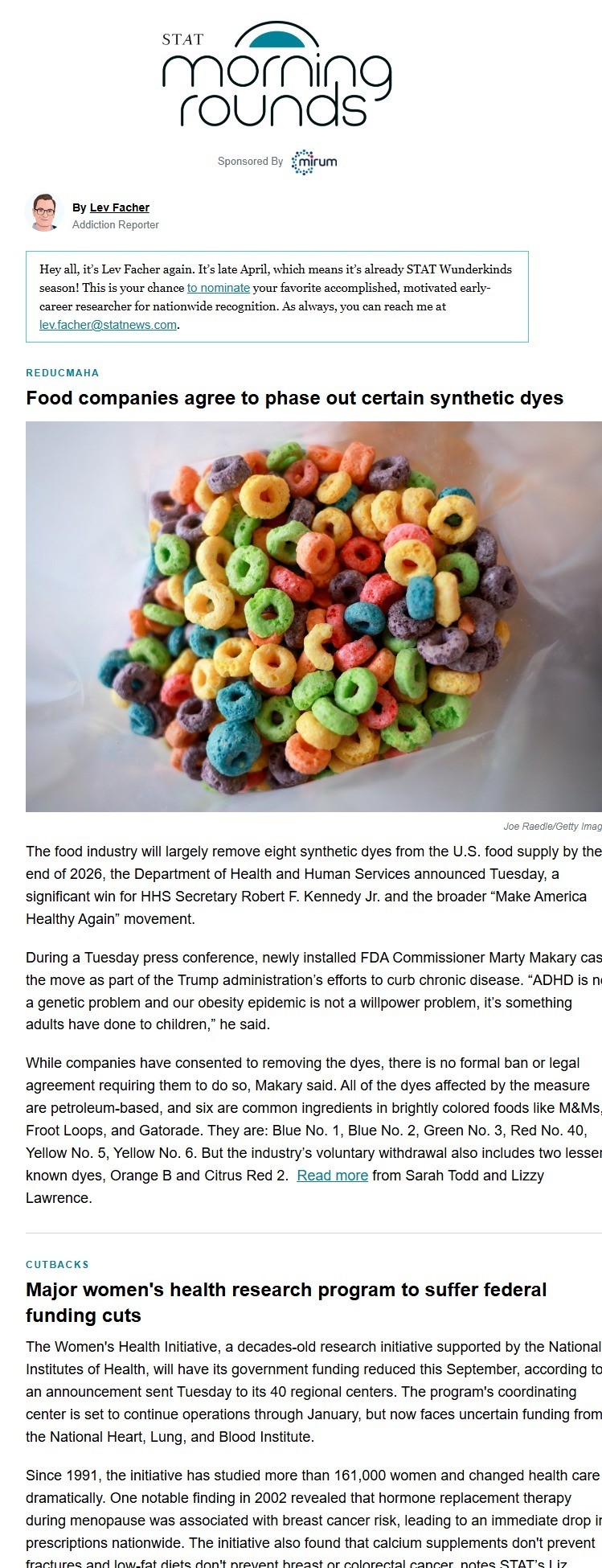
8. STAT Morning Rounds
The STAT Morning Rounds newsletter is a free daily email sent on weekdays for people interested in health, medicine, and science. Written by STAT’s top writers like Theresa Gaffney, it shares the latest news about health policies, medical research, new drugs, public health warnings, and more every morning.
Why Subscribe:
- Get important health news each morning, from new studies to rule changes.
- Stay informed about public health, government decisions, outbreaks, and big changes in healthcare.
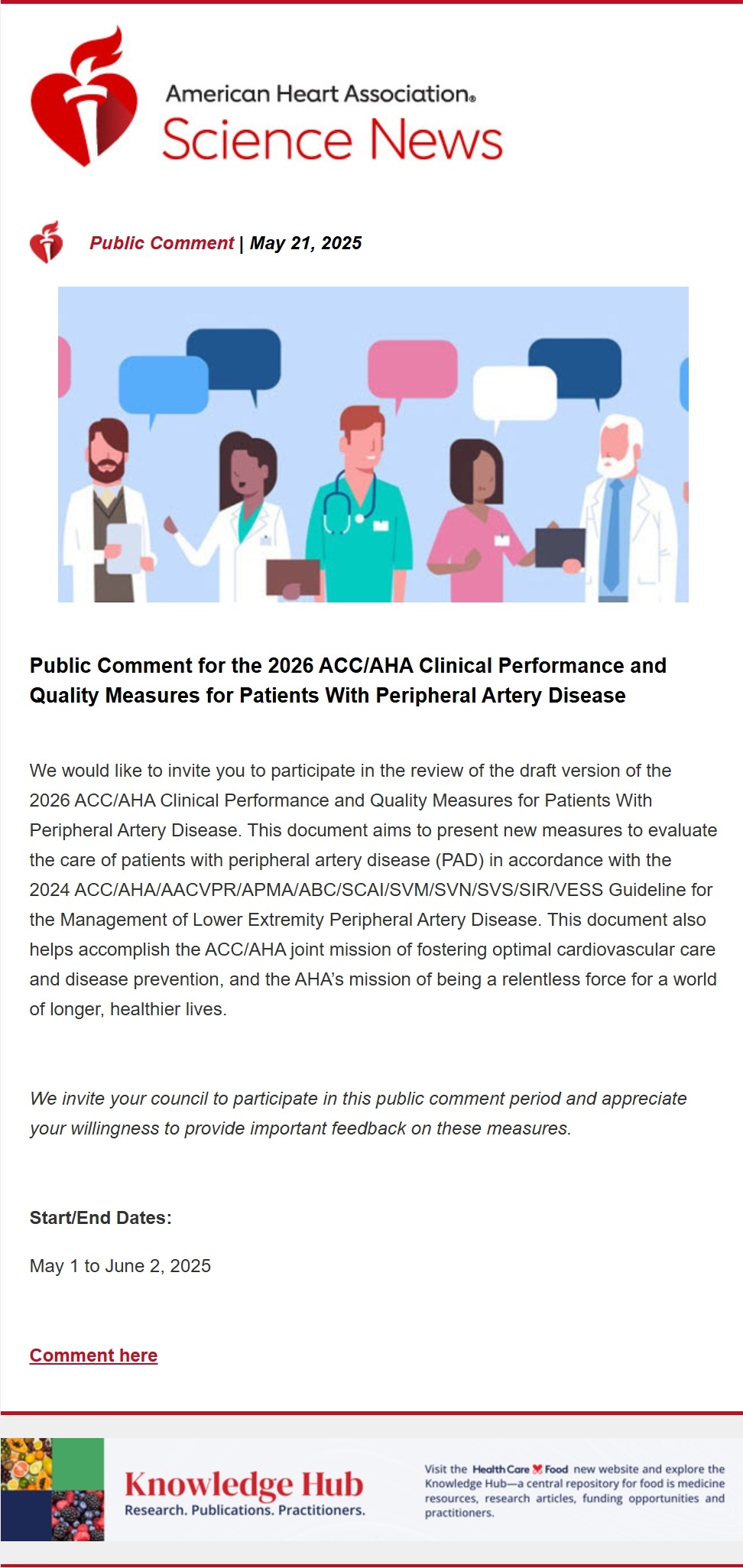
9. American Heart Association (AHA) Science News
The American Heart Association (AHA) Science News newsletter, also called Science News from Professional Heart Daily, is a free weekly email for AHA professional members. It shares the most important heart and stroke research from the past week. The newsletter includes highlights from AHA journals and events like Circulation and Scientific Sessions. You can get updates focused on your specific heart-related specialty.
Why Subscribe:
- Get key heart science news every Wednesday in a clear, trusted way.
- Stay updated on new discoveries about high blood pressure, heart failure, stroke, and more.
- Receive news tailored to your area of interest in heart science, whether clinical, translational, or basic research.
10. Pharmaceutical Journal Newsletters
The Pharmaceutical Journal Newsletters are free email updates from The Pharmaceutical Journal, run by the Royal Pharmaceutical Society in the UK. They are mainly for pharmacists and pharmaceutical scientists.
What They Include:
- Daily Roundup: A quick summary of all the latest news and articles each day.
- Weekly Roundup: Highlights of the most important news and content from the week.
- Monthly Learning Newsletter: Educational materials for professional development.
- Breaking News Alerts: Fast updates on big pharmacy and pharmaceutical science news.
Why Subscribe:
- Keep up to date with new pharmacy practices and science.
- Get trusted, expert-reviewed content straight to your inbox.
- Access learning materials to help with your career growth and certification.
Tips for Writing Engaging Medical Newsletters
Creating a medical email that keeps readers informed and interested entails more than simply sharing updates; it also demands delivering content in a clear and accessible manner. Following email etiquette rules for businesses helps keep communication professional. Here are some suggestions to consider:
1. Keep It Concise and Reader-Friendly
Medical information can be complex, so simplify your language and structure. Use short paragraphs, bullet points, and subheadings to make it easy to scan.
2. Use Visuals and Infographics
Charts, diagrams, and infographics help break down complex data into digestible, visual formats. This not only enhances understanding but also keeps readers interested.
3. Personalize When Possible
Address subscribers by name and tailor content based on their interests or professional background (e.g., doctors, nurses, pharmacists). Personalized newsletters tend to have higher open and engagement rates.
4. Include Credible Sources
Always back up information with trustworthy references such as peer-reviewed journals, medical associations, or government health agencies. This builds trust and positions your newsletter as a reliable resource.
Wrap Up
Convertnow ties everything together for medical newsletter creators by combining email marketing, landing pages, and automation in one easy-to-use platform, helping avoid email rejection caused by security policies.
You can easily create custom sign-up forms for different subscriber groups like patients, pharmacists, or physicians. It helps you design professional newsletters and set up automated email sequences. Its audience segmentation lets you send targeted content. For example, health tips to patients and research updates to professionals.
Affordable, intuitive, and built for both beginners and growing creators, Convertnow is a smart choice to take your medical newsletter to the next level.