Last Updated on May 26, 2026 by Ian
Coming up with exciting content for your school newsletter can be tricky, especially when it feels like you’ve already covered everything. However, by adopting a creative approach and focusing on various facets of school life, you can consistently produce newsletters that captivate your audience. This guide explores strategies and tips for creating compelling newsletters that inform, engage, and strengthen the school community, with examples to inspire your creativity.
Tips for a Successful Email high School Newsletter
1. Know Your Audience
To make a great high school newsletter, think about who’s reading it: students, parents, and teachers. Include a little something for everyone! Share updates about schoolwork, fun stuff like sports and clubs, and what’s happening in the local community. Write it in a way that teens will enjoy, but keep it professional so adults will find it useful too. That way, everyone will actually read the newsletter and find it interesting.
2. Maintain a Consistent and Manageable Frequency
Decide on a publication schedule that balances consistency with content quality, such as weekly or monthly releases. A predictable schedule helps your audience anticipate and value your communications without feeling overwhelmed.
3. Incorporate Engaging and Relevant Content
Make newsletters personal and familiar by sending them from a recognizable name or email address. Personalize the email as much as possible to make students feel more at home. Address recipients by name and tailor content where possible, such as by segmenting your list to send different versions to parents, staff, and students.
4. Ensure Mobile-Friendly Design
With a significant portion of users accessing emails via mobile devices, it’s crucial to use responsive design templates that adapt to various screen sizes. Avoid relying heavily on images that may not load properly, and ensure your text is legible without excessive zooming or scrolling.
5. Encourage Participation and Feedback
To make the school newsletter more interesting and interactive, ask students, teachers, and parents to contribute articles, artwork, or event summaries. This will encourage a sense of pride and ownership among the school community. Increase reader participation by adding interactive elements such as quizzes, polls, or Q&A sections that correspond with the goals of the newsletter and the interests of the audience. Additionally, give readers an easy way to provide feedback from readers and suggest topics for future issues by including an “Ask for Input” section. This helps you understand what readers want and improves future newsletter content.
10 High School Newsletters Examples
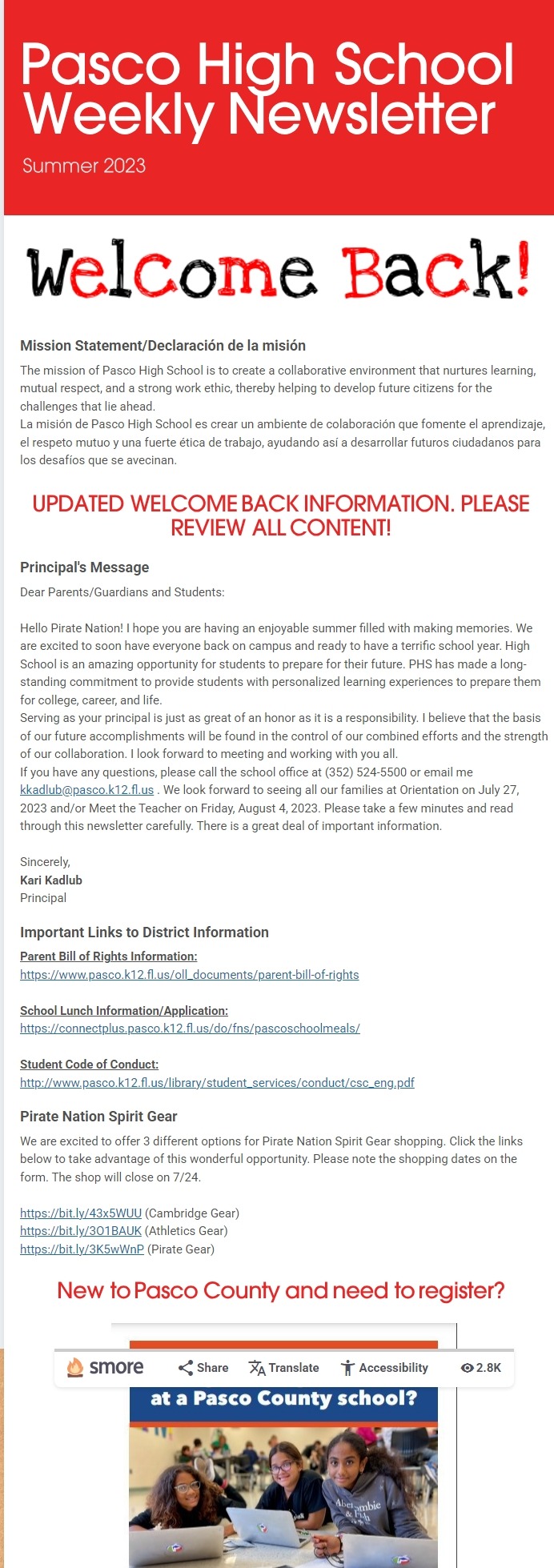
1. Welcome backThe
The welcome back newsletter is sent to students, parents, and staff after a school break (e.g., summer, spring break). Its primary purpose is to ease the transition back to school, foster a sense of belonging, and provide essential updates about schedules, events, and resources. These newsletters help re-establish routines, boost engagement, and strengthen the connection between the school and its community.
Tips:
- Use a friendly tone and include photos of staff or student leaders to make it feel welcoming.
- Add graphics, school colors, and student achievements to make it visually appealing.
- Encourage participation in upcoming events or remind parents to complete required forms.
2. Students’ Achievement
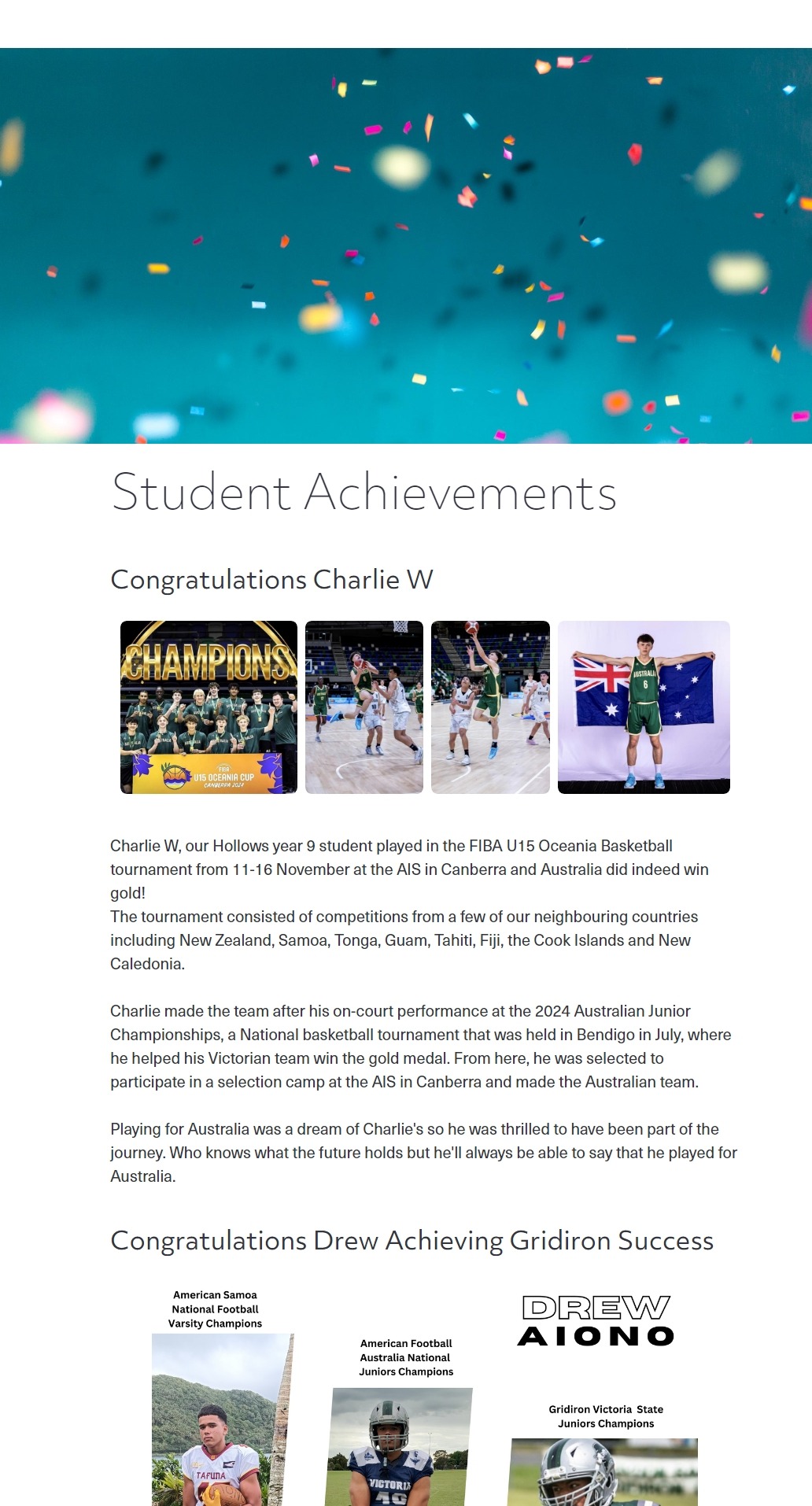
This newsletter highlights students’ accomplishments in academics, sports, arts, leadership, and other extracurricular activities. It serves to recognize and celebrate students’ hard work, fostering motivation and school spirit. It serves as a platform to recognize individual and group successes, inspire peers, and strengthen the connection between the school, students, and their families.
Tips:
- Highlight a wide range of accomplishments from different grade levels and activities to ensure inclusivity and representation.
- Incorporate photos, graphics, or student artwork to make the newsletter visually appealing and engaging.
- Include links to videos of performances or projects, surveys for feedback, or QR codes for additional content to increase reader engagement.
3. School Awards
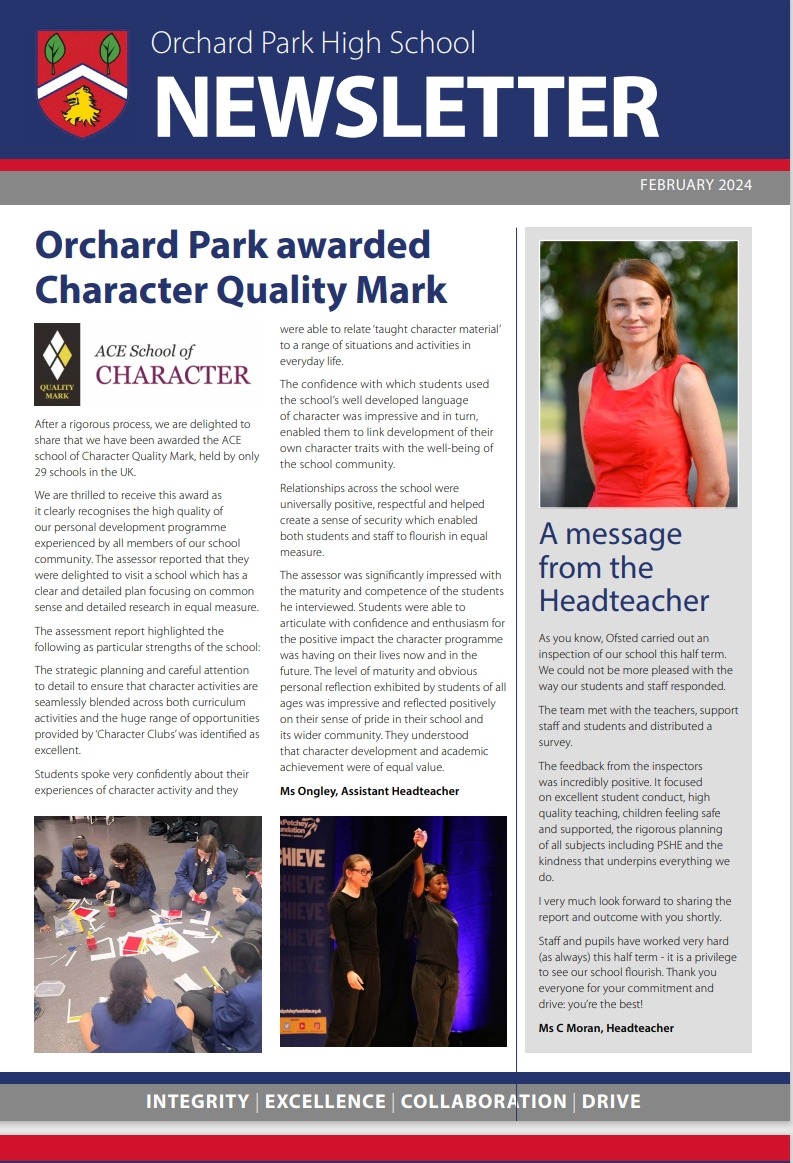
A School Award Newsletter informs students, parents, and all stakeholders about the school’s recognition and achievements as an institution. This newsletter shares news about awards, accolades, and honors the school receives for excellence in areas such as academics, innovation, community service, and extracurricular activities. These awards enhance the school’s reputation and acknowledge its impact on education and society.
Tips
- Explain what the award is, why the school received it, and its significance. Use an engaging headline like “Our School Wins National Excellence Award!”
- Include photos of the award ceremony, school leaders, and students celebrating.
- Encourage sharing on social media or link to a video recap of the award event.
4. Event Updates
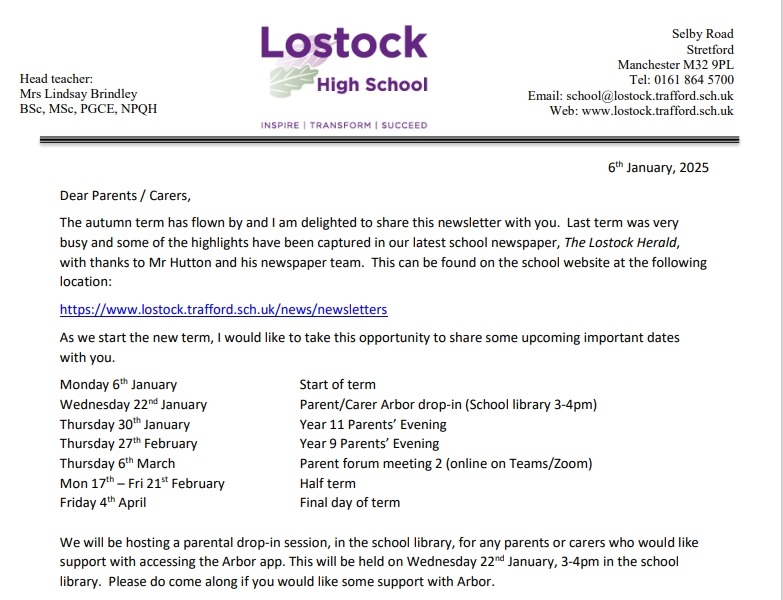
This Newsletter is sent to students, parents, and staff to provide updates about upcoming school events, activities, and important dates. Its primary purpose is to ensure everyone is informed and prepared for events such as field trips, sports competitions, parent-teacher conferences, fundraisers, or cultural programs.
Tips:
- Organize events by date and category (e.g., sports, academics, clubs).
- Provides instructions on how students or parents can get involved (e.g., RSVP links, volunteer opportunities, or ticket purchases).
- Highlights key deadlines for registrations or preparations.
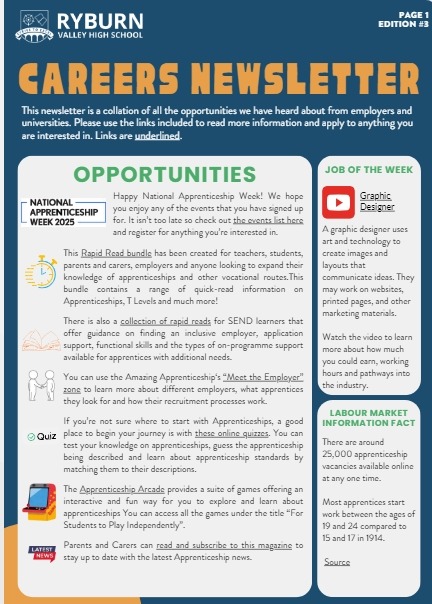
5. Career Guidance Newsletter
This newsletter provides students with valuable information, resources, and advice related to career exploration and planning. It aims to help students make informed decisions about their future education and career paths by offering insights into job opportunities, internships, college preparation, and skill development. Schools typically distribute this type of newsletter to students, parents, and counselors to encourage proactive career planning.
Tips:
- Include links to career assessment tests, scholarship applications, and internship opportunities.
- Feature real-life success stories from alumni or professionals in different fields.
- Announce career fairs, mentorship programs, and guest speaker sessions.
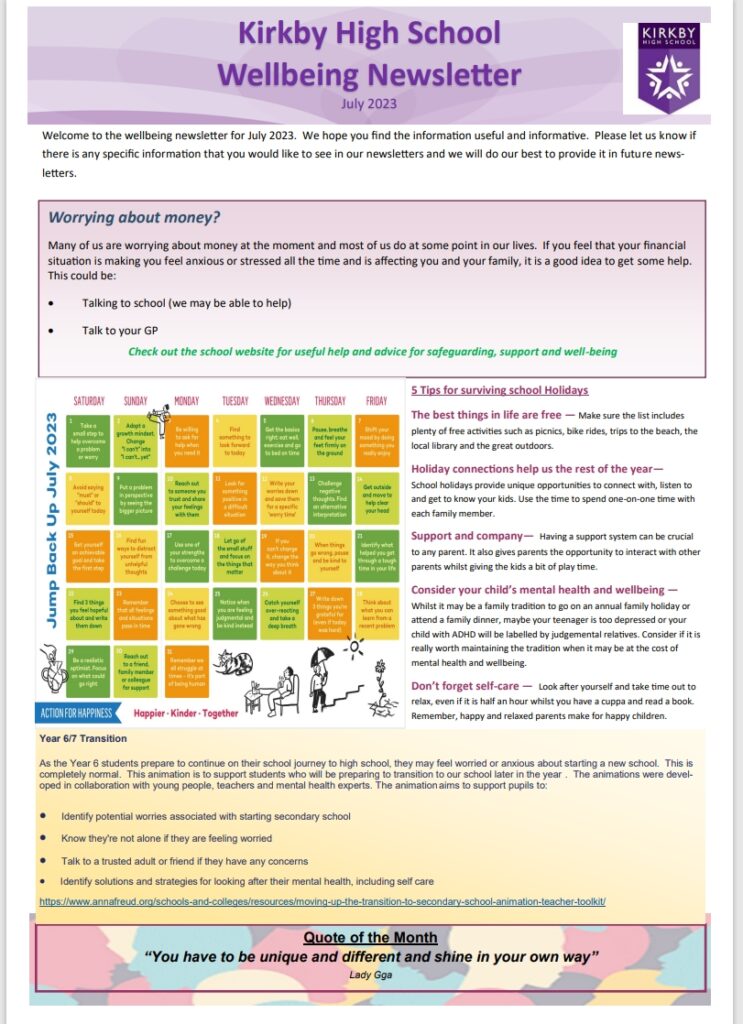
6. Mental Health and Wellbeing
This newsletter informs and supports students, educators, and parents on mental health topics, promoting awareness, reducing stigma, and providing resources to help maintain mental well-being within the school community.
These newsletters often cover a range of topics, including recognizing common mental health issues such as anxiety and depression, strategies for stress management, and guidance on seeking help when needed. Its main aim is to enhance mental health literacy, which is crucial for early identification and intervention of mental health concerns.
Tips:
- Involve students, educators, and parents in contributing content.
- Include actionable tips, coping strategies, and information on available support services.
- Publish the newsletter regularly (e.g., monthly or bimonthly) to maintain engagement and consistency.
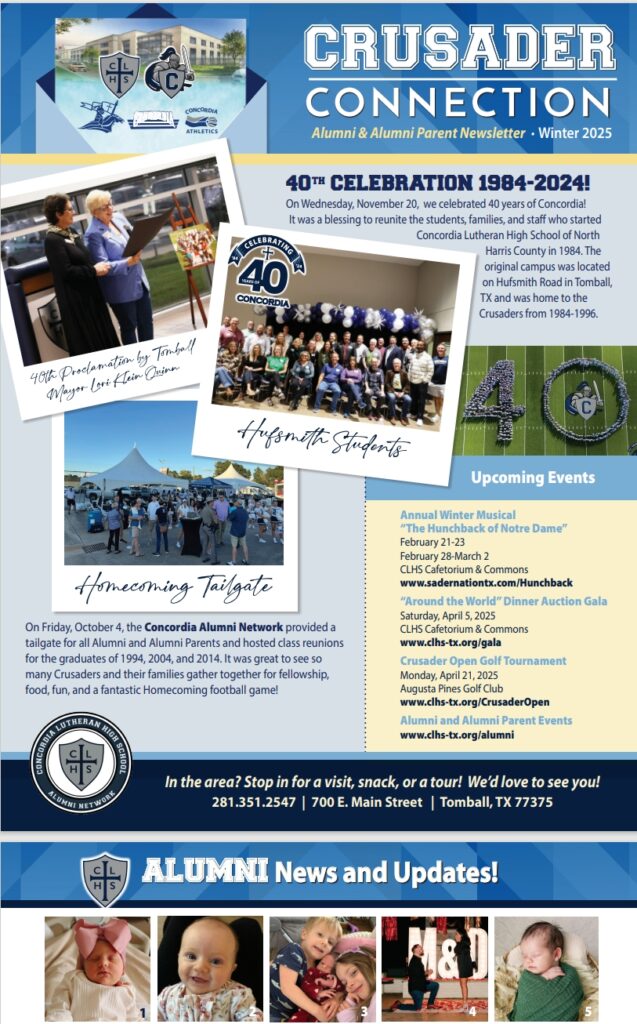
7. Alumni Connections
This newsletter maintains and strengthens relationships between the school and its former students. It serves as a platform to update alumni on school developments, highlight achievements, and encourage continued involvement, as seen in alumni newsletters used by schools.
Tips:
- Showcase the accomplishments of former students to inspire current students and foster pride among alumni.
- Keep alumni informed about new programs, facilities, and events to maintain their connection to the school.
- Use photos, videos, and interactive content to make the newsletter more engaging and visually appealing.
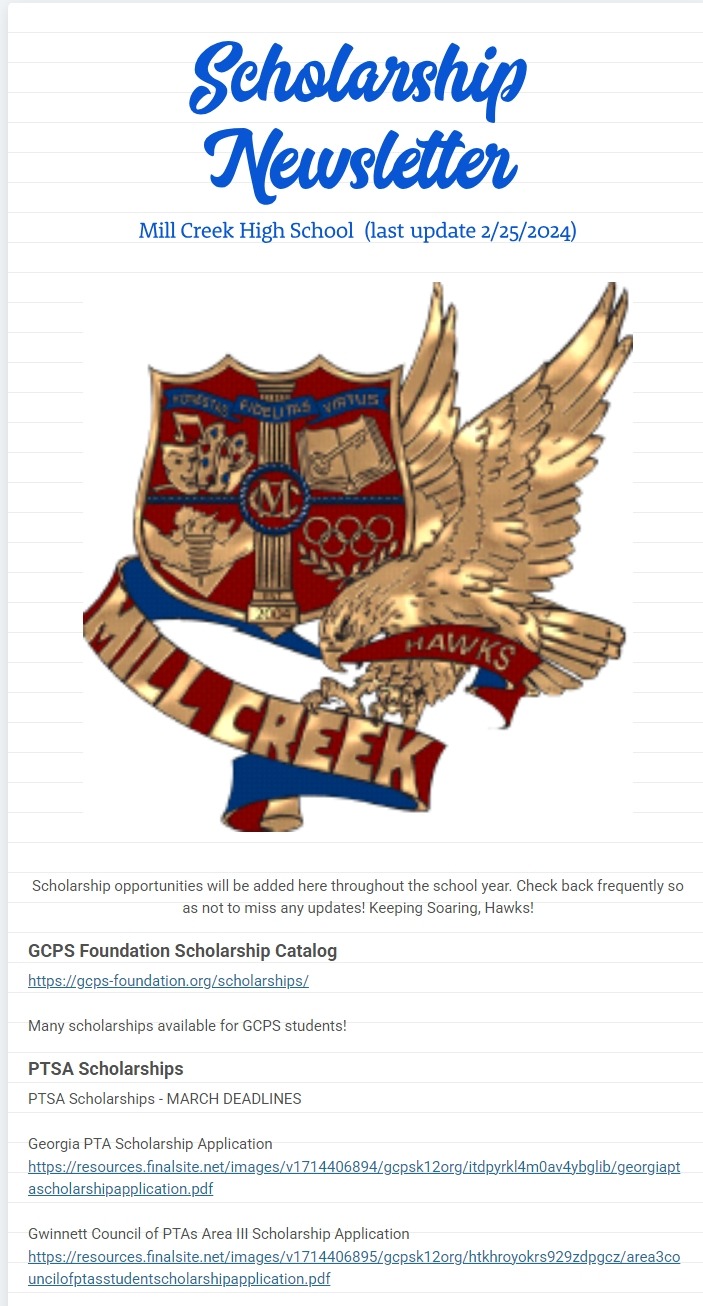
8. Scholarship Newsletters
This newsletter informs students, parents, and teachers about available scholarship opportunities, application deadlines, eligibility criteria, and tips for successful applications. It includes important details like deadlines, eligibility rules, and application tips. The goal is to help students get financial aid for college, making it easier for them to pursue higher education without as much financial stress.
Tips:
- Feature scholarships that cater to different demographics, academic interests, and financial needs.
- Offer step-by-step instructions on the application process
- Include testimonials from past scholarship recipients to inspire current students.
9. Principal’s Message
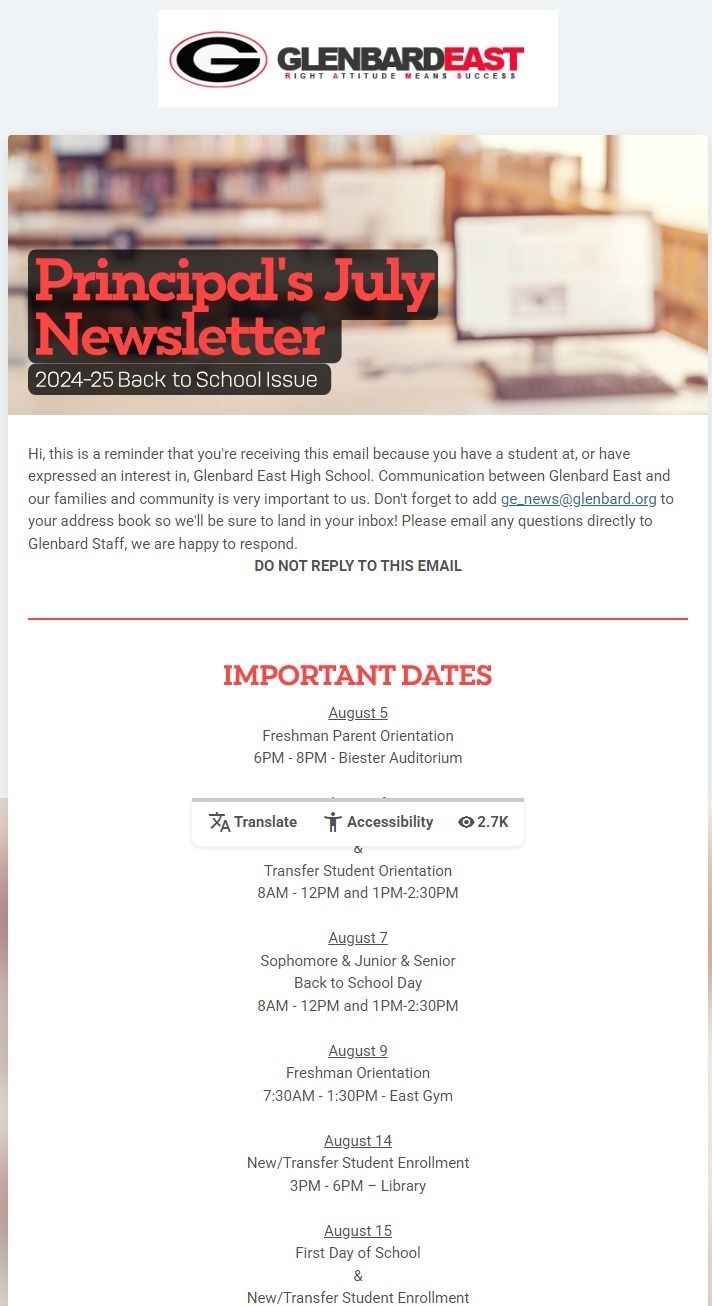
This newsletter, sent by the principal, serves as a communication tool for students, parents, and staff. It usually contains updates on school events, achievements, policies, and goals. The message often establishes the tone for the school community, highlighting values like academic excellence, inclusivity, and integrity.
Tips:
- Distribute the newsletter on a regular schedule, such as monthly, to keep the community informed and engaged.
- Place important updates and reminders at the top of the newsletter.
- Ensure that the message is clear, concise, and easy to understand.
10. Safety Updates
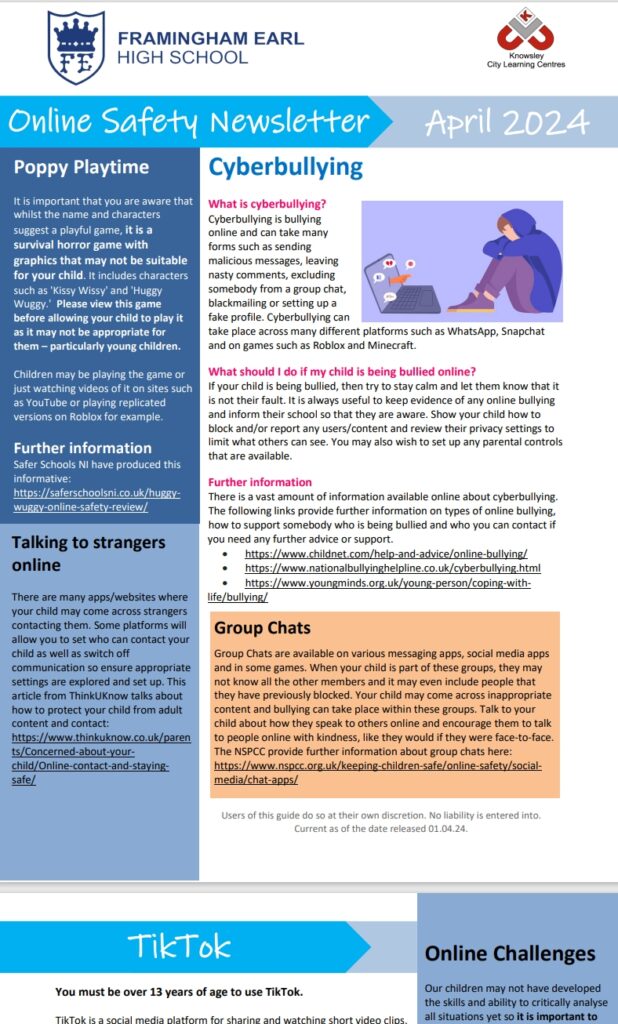
A high school’s Safety Updates newsletter keeps students, parents, and staff informed about safety measures and policies. It covers topics like bullying prevention, emergency preparedness, online safety, behavioral threat assessments, and policy updates. This proactive communication fosters a secure and supportive educational environment.
Tips:
Ensure that safety information is clear and easy to understand.
Encourage feedback and participation from parents and students to foster a collaborative approach to safety.
Share stories of successful safety initiatives or programs that have positively impacted the school community.
Conclusion
By applying the strategies and examples discussed in this blog post, you can craft newsletters that keep students, parents, and staff well-informed and engaged, fostering a stronger sense of community within your school.
Regularly seek feedback from your audience and adapt your content to meet their evolving interests. Your commitment to clear and effective communication will undoubtedly help you create a more connected and informed school environment.